
Karachi’s 95 MGD wastewater treatment plan faces land, funding hurdles
KARACHI (TKP Report): Sindh’s proposed plan to establish five Combined Effluent Treatment Plants (CETPs) across Karachi’s industrial areas, with a combined treatment capacity of 95 million gallons per day, faces key challenges related to land availability and financing, highlighting the hurdles in addressing industrial pollution in the country’s largest city.
The issue came under discussion during a briefing on Monday chaired by Provincial Minister for Industries and Commerce Jam Ikramullah Dharejo at the Sindh Secretariat, where officials reviewed proposed wastewater treatment projects in Karachi and other industrial areas of the province.
The five proposed CETPs in Karachi are intended to treat industrial wastewater before its discharge into the environment. However, the availability of land remains a major obstacle, particularly for a proposed 20-million-gallon-per-day treatment plant in SITE Karachi.
The briefing was attended by Secretary Industries and Commerce Shazia Jaffar, SITE Managing Director Ahmed Fawad Shah and other relevant officials.
Beyond Karachi, several projects are also being considered across Sindh. A CETP with a capacity of 2.5 million gallons per day is already operational in Kotri, while a project costing more than Rs2.8 billion at SITE Sukkur has been included in the Annual Development Programme (ADP).
A treatment plant costing approximately Rs2.96 billion has also been proposed for SITE Hyderabad. Meanwhile, an eight-million-gallon-per-day industrial wastewater treatment facility is under consideration in Nooriabad.
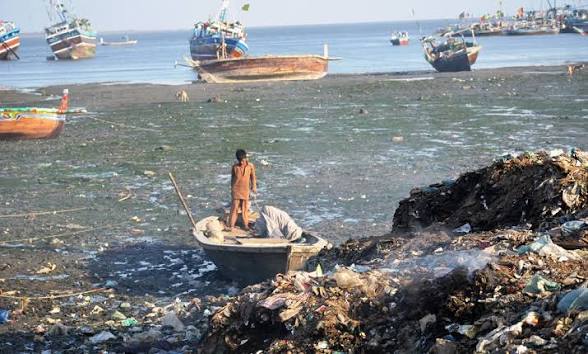
The minister stressed that untreated industrial wastewater must not be allowed to flow into the River Indus and the Arabian Sea, warning that industrial pollution poses risks to public health, agriculture, aquatic life and the environment.
He said industrial development must go hand in hand with compliance with environmental laws and National Environmental Quality Standards.
Dharejo identified land availability and financial resources as fundamental challenges to completing the proposed treatment facilities.
According to the minister, the government is examining different financing options, including special grants, allocations through the ADP and assistance from international donor agencies.
Investment opportunities under the public-private partnership (PPP) framework are also being explored to facilitate the implementation of CETP projects.
The government aims to transform industrial areas across Sindh into environmentally sustainable industrial centres, the minister said.