
Pakistan Condemns Houthi Attack on Riyadh Financial District, Backs Saudi Sovereignty
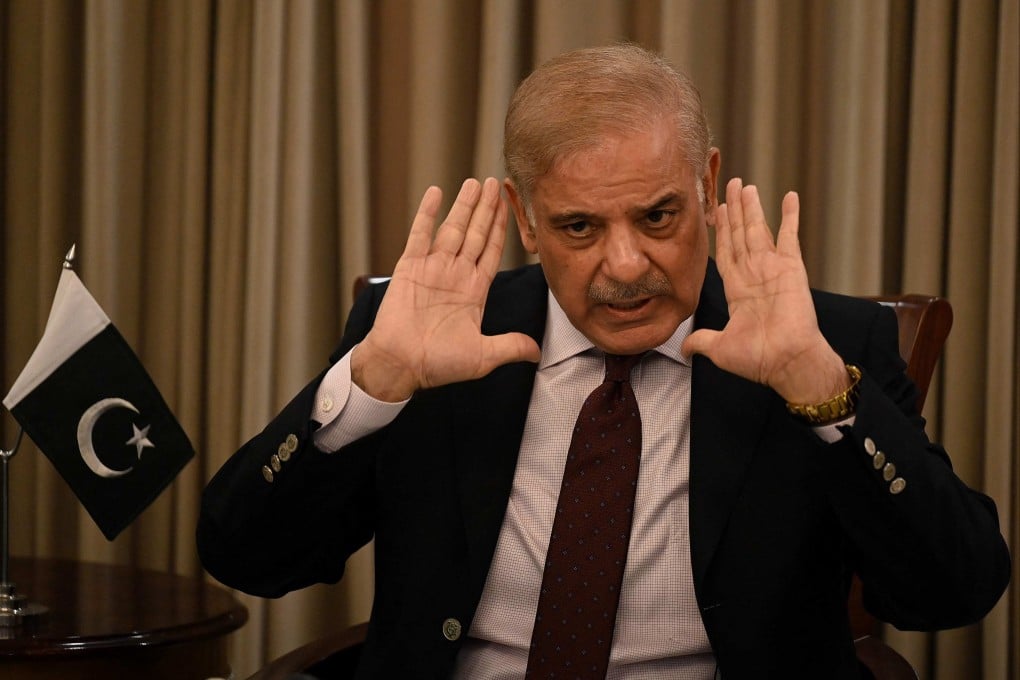
ISLAMABAD (News Desk): Prime Minister Shehbaz Sharif has strongly condemned the reported Houthi attack on Riyadh’s King Abdullah Financial District (KAFD), reaffirming Pakistan’s support for Saudi Arabia’s sovereignty and territorial integrity amid escalating security tensions in the region.
In a statement issued on Saturday, the prime minister described attacks targeting civilian infrastructure and economic installations as unacceptable, warning that such actions pose a threat to regional peace and stability.
Taking to social media platform X, Shehbaz Sharif said Pakistan stood in unwavering solidarity with Saudi Arabia and its people, adding that Islamabad fully supported the Kingdom’s right to defend its sovereignty, protect its territorial integrity and safeguard the lives of its citizens and residents.
He also reiterated Pakistan’s commitment to supporting diplomatic and other efforts aimed at achieving lasting peace and stability across the region.
The prime minister’s statement comes amid renewed cross-border hostilities involving Saudi Arabia and Yemen’s Houthi movement, with Riyadh facing a series of reported missile and drone threats in recent days.
The latest developments have brought the security of Saudi Arabia’s critical infrastructure, including financial, energy and other economic facilities, into focus.
According to international media reports, a Houthi attack on Thursday damaged Riyadh’s Public Investment Fund (PIF) Tower, which houses the headquarters of Saudi Arabia’s sovereign wealth fund. The strike also caused damage to nearby buildings, although no casualties were reported.
The incident marked another attack on a prominent economic facility in the Saudi capital following damage to a Saudi Aramco administrative building earlier in November.
On Friday, the Saudi-led coalition fighting the Houthis said its air defences had intercepted and destroyed three ballistic missiles launched towards Riyadh, reflecting the growing security challenges facing the Kingdom.
The developments have raised concerns over the potential exposure of major economic centres to regional hostilities, particularly as Saudi Arabia continues to pursue an ambitious economic transformation programme aimed at attracting international investment, expanding financial services and diversifying its economy beyond oil.
The King Abdullah Financial District is among the Kingdom’s flagship economic development projects, bringing together financial institutions, businesses, commercial facilities and corporate offices. Its strategic importance extends beyond its role as a business centre, reflecting Saudi Arabia’s ambitions to strengthen Riyadh’s position as a regional financial and investment hub.
Pakistan’s response underscores the importance Islamabad attaches to Saudi Arabia’s security and bilateral relations. The two countries maintain longstanding political, economic and defence ties, with cooperation extending across trade, investment, energy and security.
For Pakistan, stability in Saudi Arabia also carries economic significance because of the large Pakistani expatriate community working in the Kingdom and the importance of Saudi Arabia as a destination for Pakistani workers and a major source of remittances.
The latest condemnation also follows Pakistan’s earlier expressions of concern over attacks on Saudi infrastructure. On November 20, Pakistan’s Foreign Office reiterated its position against attacks targeting civilian facilities and reaffirmed support for Saudi Arabia’s security and territorial integrity.
However, Islamabad has also consistently emphasized the need for regional peace and diplomatic efforts to prevent further escalation.
The latest statement by the prime minister reflects this dual emphasis: support for Saudi Arabia’s right to defend itself while maintaining Pakistan’s stated commitment to lasting peace and stability in the region.
With attacks and retaliatory military operations adding to tensions across the Middle East, the security of critical infrastructure and the potential consequences for regional economic activity remain key concerns.