
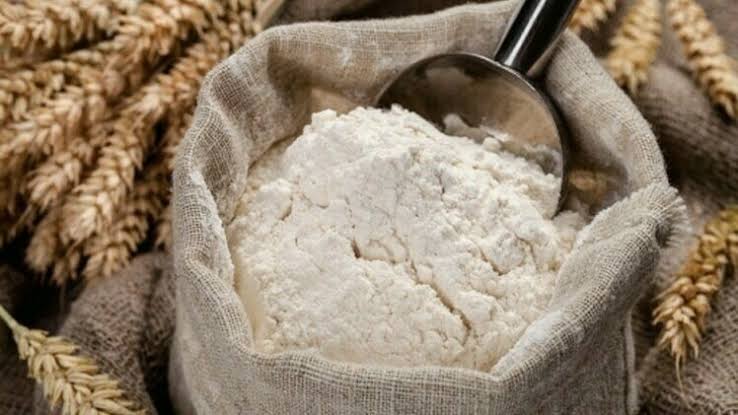
Sindh fixes flour price at Rs138, caps retail rate at Rs145 until January 31
KARACHI (Staff Report): The Sindh government has fixed the ex-mill price of Grade 2.5 wheat flour at Rs138 per kilogram and set a maximum retail price of Rs145, announcing province-wide enforcement from November 25 until January 31, 2027, in a move aimed at providing relief to consumers amid rising seasonal demand.
Provincial Food Minister Makhdoom Mehboob Zaman announced the decision on Tuesday, saying the government had reached an understanding with the flour milling industry after consultations with commissioners and a meeting chaired by the chief minister.
The minister said the provincial government would ensure that flour was not sold above the prescribed retail price and urged consumers to report violations through a dedicated Food Department complaint helpline at 99222519.
He said the government had allocated Rs17 billion in subsidies and was working to maintain affordable flour supplies despite challenging economic conditions.
Zaman said Sindh currently had approximately 800,000 tonnes of wheat stocks, while Karachi’s monthly wheat requirement stood at around 220,000 tonnes. He stressed that maintaining flour quality would also remain a priority, with the Sindh Food Authority tasked with monitoring standards.
However, the success of the price intervention will depend significantly on the availability and uninterrupted supply of wheat to flour mills, particularly as consumption traditionally increases during winter.
Pakistan Flour Mills Association President Malik Iqbal welcomed the government’s initiative but highlighted the importance of ensuring adequate wheat supplies. He said flour mills could only maintain production and supply at the announced rates if sufficient wheat was made available.
The association has requested the provincial government to ensure wheat stocks reach mills by the end of December, while also agreeing to display flour prices on banners at mills to improve consumer awareness.
The minister also said the government was pursuing direct wheat deliveries to flour mills rather than routing imported wheat and supplies obtained from PASSCO through government warehouses.
On enforcement, Zaman disclosed that 120 Food Department officials had faced disciplinary action, with cases also referred to relevant institutions. He said the department was moving towards digitalization of its records to improve transparency and curb corruption.
The minister further reiterated that Sindh would not close its provincial borders to wheat supplies, opposing restrictions that could disrupt the movement of essential commodities between provinces.
The new price framework represents an attempt to combine government price regulation with industry cooperation. Its effectiveness, however, will ultimately be measured by whether consumers can consistently purchase quality flour at or below Rs145 per kilogram.