
Pakistan’s $400mn meat export industry seeks foreign investment
KARACHI (Staff Report): Pakistan is seeking foreign investment and technology partnerships to expand its meat export industry, with the government identifying livestock development, animal health and modern processing facilities as key areas for improving production capacity and accessing high-demand international markets.
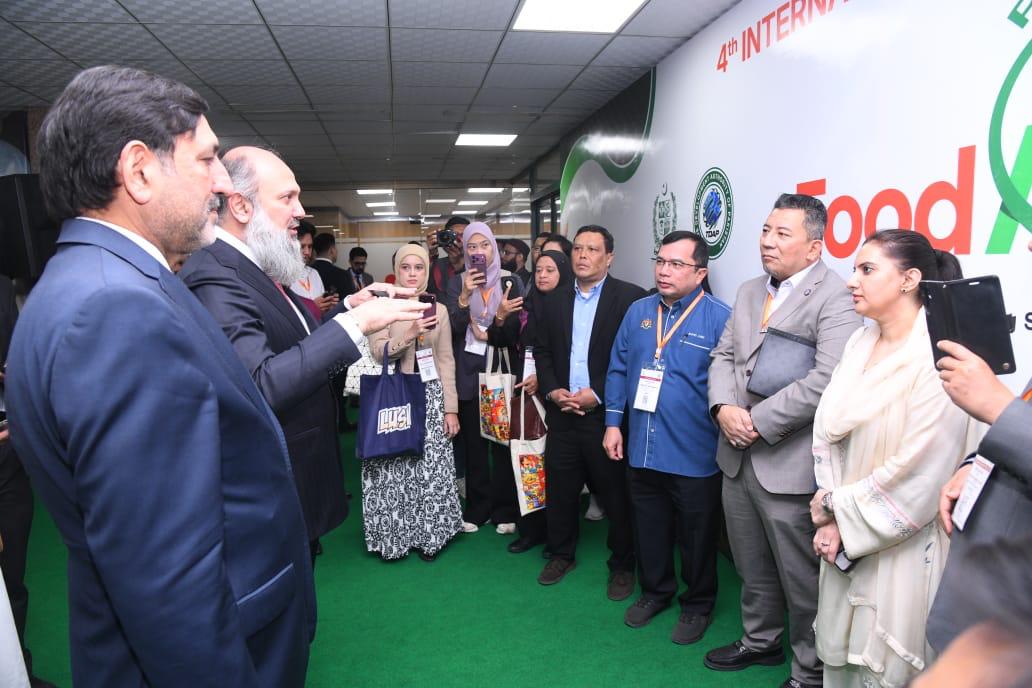
Federal Minister for Commerce Jam Kamal Khan invited European and Chinese companies to establish joint ventures with Pakistani businesses in livestock, dairy, agriculture and food processing during meetings with international business delegations on the sidelines of the fourth FoodAg Pakistan exhibition in Karachi on Tuesday.
The minister said Pakistan was already exporting approximately $400 million worth of meat annually, adding that investment in livestock production, animal health and processing infrastructure could help the country expand its presence in the Gulf, East Asian and Central Asian markets.
The government’s push comes as Pakistan seeks to move beyond the export of primary agricultural commodities towards higher-value products that can generate greater foreign-exchange earnings.
Meeting delegates from Germany, France, Italy, Belgium and the Netherlands, Jam Kamal highlighted opportunities in agricultural machinery, seed technology, dairy processing, meat processing and related services. He said Pakistan’s domestic market of approximately 250 million people also offered significant opportunities for international investors.
The discussions focused on how foreign technology, investment and commercial partnerships could improve productivity, strengthen supply chains and increase the availability of processed food products for export markets.
The minister also highlighted the government’s reform agenda, including phased tariff reductions, regulatory easing through single-window operations, renewed support for small and medium enterprises and exporting credit insurance facilities through EXIM Bank.
During a separate meeting with business representatives from China, Hong Kong and Macao, Jam Kamal encouraged companies to work directly with Pakistani farmers and businesses to improve agricultural yields and expand local processing capacity.
Citing existing Pakistan-China cooperation in rice seed development, he identified mechanized rice planting as another area where technology partnerships could improve agricultural productivity and help generate exportable surpluses.
The minister also invited Malaysian importers to establish long-term sourcing arrangements with Pakistani producers, particularly for rice and other food products. He stressed that competitive pricing and consistent quality would be essential for maintaining international buyer relationships.
Coordinator to the Prime Minister on Commerce and Industries Rana Ihsaan Afzal Khan said around 400 Pakistani exhibitors were participating in FoodAg 2026, showcasing products ranging from agricultural raw materials to finished goods.
He encouraged European businesses to communicate their sourcing and regulatory requirements to Pakistan’s trade and investment officers, the Ministry of Commerce and the Trade Development Authority of Pakistan.
The minister and the coordinator also reaffirmed Pakistan’s commitment to continued engagement with the European Union on GSP+.
For Pakistan’s meat industry, the challenge now lies in translating investment interest into improved livestock productivity, internationally competitive processing facilities and reliable export supply chains.
Greater foreign participation could help unlock the sector’s potential, but sustained export growth will ultimately depend on quality standards, animal health controls, traceability and access to international markets.