
Pakistan-UK eye stronger textile cooperation
LAHORE (Staff Report): The All Pakistan Textile Mills Association (APTMA) and the British High Commission have agreed to explore new avenues for strengthening trade, investment and technical cooperation in the textile and apparel sector, with a focus on sustainability, innovation and improved market access to the United Kingdom.
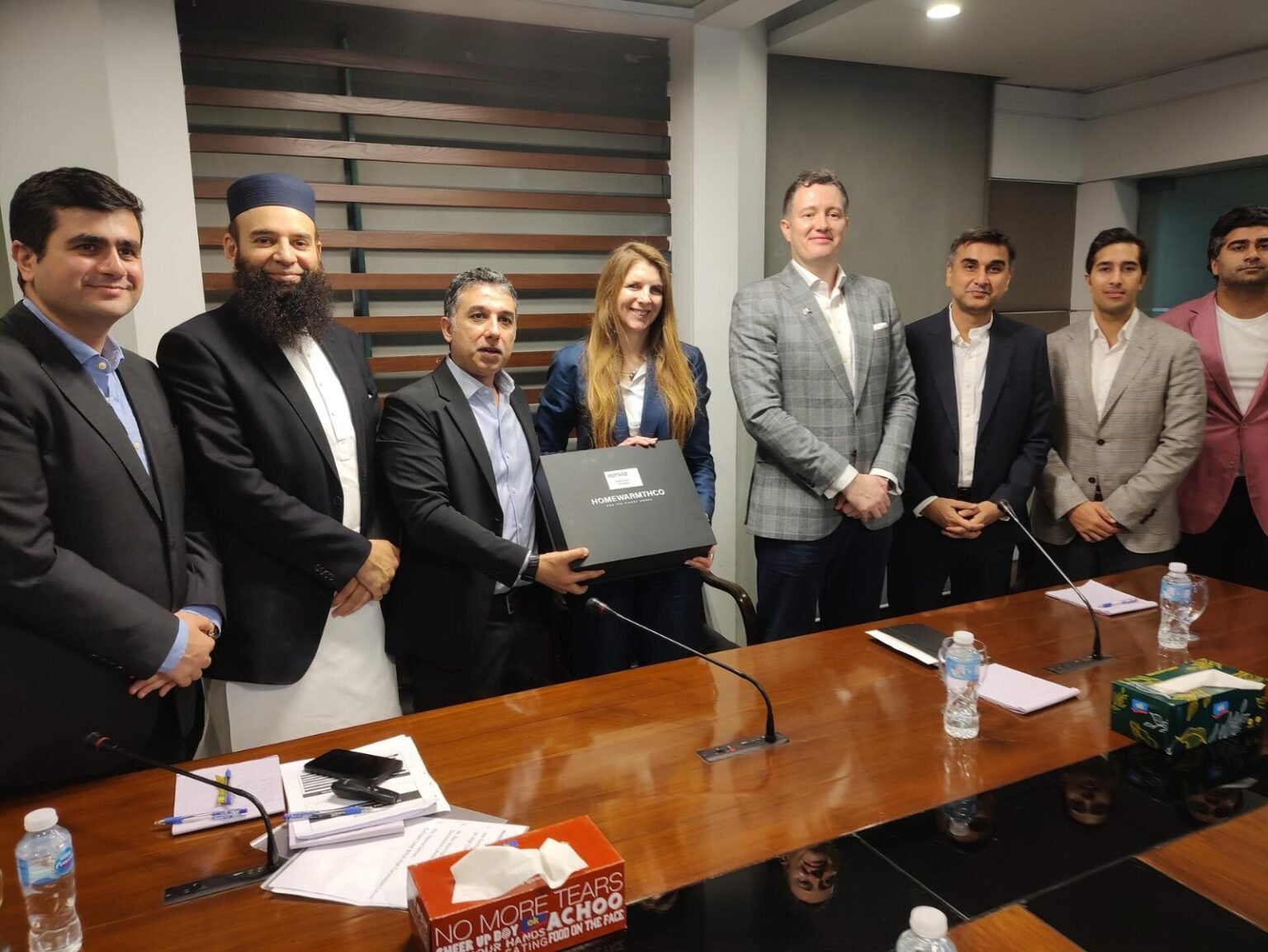
The understanding was reached during an interactive session held at APTMA House, Lahore, where Her Excellency Ms. Jane Marriott CMG OBE, British High Commissioner to Pakistan, visited along with Mr. Ben Warrington, Head of Lahore Office, British High Commission, and Mrs. Reema Salman, Outreach Lead, British High Commission Lahore.
The visiting delegation was warmly received by APTMA’s top leadership, including Chairman Asad Shafi, Vice Chairman Muhammad Anees Khawaja, Chairman North Muhammad Siddique Bhatti, Senior Vice Chairman North Habib Anwar Sheikh, Vice Chairman North Muhammad Ali, Treasurer North Danish Aslam, along with senior members Haroon Elahi, Adeel Mehmood, Anjum Zafar, S.M. Nabeel, Asad Kamal, Ameer Irfan, Faisal Jawed, Sufyan Akhtar, Saad Siddique Bhatti, Tahir Basharat Cheema, and Secretary General Raza Baqir.
The meeting served as a comprehensive platform to discuss practical ways to deepen commercial, institutional and technical linkages between Pakistan and the United Kingdom, particularly across the entire textile and apparel value chain – from spinning, weaving and processing to garments, home textiles and export-oriented manufacturing.
Addressing the gathering, High Commissioner Jane Marriott highly appreciated the diversity and resilience of Pakistan’s textile industry. She commended Pakistani mills for their efforts in complying with sustainability requirements and international conventions related to labour, environment and human rights.
She urged the business community in general and exporters in particular to take immediate measures for full implementation of all 27 international conventions required under the GSP Plus framework, which is critical for maintaining duty-free and preferential market access to the UK under the Developing Countries Trading Scheme (DCTS). The UK’s DCTS, which replaced the EU GSP after Brexit, offers generous tariff exemptions for Pakistani products.
The High Commissioner emphasized that Pakistani entrepreneurs should actively participate in major trade fairs and exhibitions held in the UK to establish direct linkages with British buyers, high-street brands and consumers, bypassing intermediaries.
She stressed the need to explore avenues for improved market access and stronger connections with British retailers like Primark, Next, Marks & Spencer, Tesco and other high-street brands, with a view to building commercially meaningful and long-term partnerships across the value chain.
Ms. Marriott also highlighted practical steps for partnership in innovation and research, especially in technical and specialized textiles, which is a rapidly growing segment in the UK market. These include functional textiles, sustainable fabrics, recycled materials and performance wear.
She urged APTMA members to identify suitable British consultants and sector specialists who could assist the industry in areas of common interest, including decarbonization, energy efficiency, water conservation, circularity and compliance with evolving ESG standards.
Speaking on the occasion, APTMA Chairman Asad Shafi said the textile and apparel sector provides an important platform for expanding the longstanding and mutually beneficial relationship between Pakistan and the United Kingdom. He noted that both countries enjoy historic ties and there is significant potential to deepen bilateral trade, investment and institutional cooperation.
“The UK is one of Pakistan’s largest export destinations for textiles and apparel. Stronger engagement with British stakeholders can improve our competitiveness, sustainability, innovation and international market access across every segment,” Asad Shafi said.
He proposed collaboration with British textile laboratories, testing facilities, universities and research centres to support product development, quality assurance, sustainability, innovation and technical capacity building. He added that joint research between Pakistani mills and UK universities could help develop value-added and climate-smart products.
Asad Shafi stressed the importance of developing a practical framework for cooperation between APTMA, the British High Commission and relevant UK institutions such as the British Textile Consortium and UK Fashion and Textile Association, to translate shared priorities into concrete initiatives. He expressed hope that closer linkages with British brands, retailers, consultants, technical institutions and investors would create new commercial opportunities while advancing responsible and sustainable growth in the sector.
Chairman North Muhammad Siddique Bhatti said the interaction provided APTMA members with a valuable opportunity to present the industry’s priorities and challenges, particularly those related to energy costs, competitiveness and market diversification.
He said British expertise and institutional support could play a vital role in enhancing productivity, fostering innovation, strengthening skills development and improving access to the UK market. He also reaffirmed APTMA’s commitment to constructive engagement with the British High Commission for building durable partnerships that benefit the textile value chain and strengthen UK-Pakistan economic cooperation.
Both sides agreed to maintain regular liaison and work towards a structured follow-up mechanism to take the proposals forward.
Pakistan’s textile sector is the backbone of the economy, contributing nearly 60% of total exports and employing millions. The UK is the third largest export destination for Pakistan after the US and EU.