
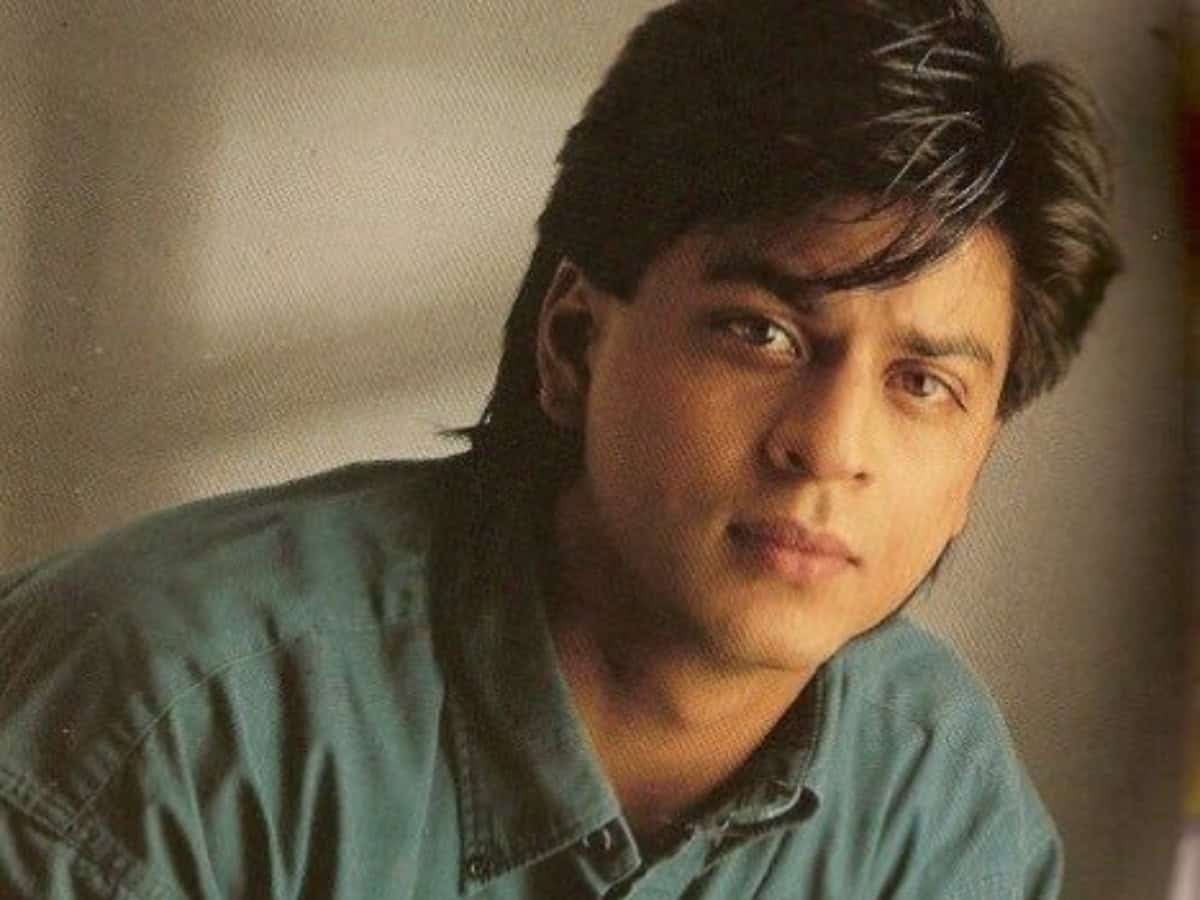
Banned but not Forgotten: Why Karachi still waits for Shah Rukh Khan at 61
KARACHI (TKP Feature): There are no official screenings of Shah Rukh Khan’s films in Pakistan, no advance bookings at Karachi’s cinemas and no guarantee that his latest release will reach local theatre screens. Yet, thousands of miles from Mumbai, his presence remains remarkably familiar. His films circulate through conversations, social media clips and unofficial digital channels, while generations of Pakistanis continue to recognize his dialogues, songs and unmistakable screen presence.
That is the Shah Rukh Khan paradox in Pakistan: a star whose films remain officially inaccessible but whose popularity has proved remarkably difficult to contain.
On November 2, Khan turned 61. For an actor who has spent more than three decades defining popular Indian cinema, the occasion offers an opportunity to examine something beyond his box-office records: why does a Bollywood superstar continue to command such affection in a country where his films cannot receive an ordinary theatrical release?
The answer begins long before streaming platforms, social media and the global entertainment industry transform celebrity culture.
For Pakistanis who grew up during the 1990s, Shah Rukh Khan was more than a familiar face from across the border. Dilwale Dulhania Le Jayenge, Dil To Pagal Hai and Kuch Kuch Hota Hai became part of the cultural vocabulary of an entire generation. His films supplied the songs played at weddings, the dialogues repeated among friends and the romantic imagination of young audiences who encountered his performances through cinema halls, television and video collections.
In Karachi, that connection acquired a particular emotional dimension through his family’s history.
Khan was born in New Delhi on November 2, 1965. His father, Mir Taj Mohammed Khan, came from Peshawar, with family roots associated with the historic Qissa Khwani Bazaar. Shah Rukh has spoken publicly about his father’s connection to Pakistan and his childhood visits to the country.
His paternal cousin Noor Jehan also lived in Peshawar, maintaining a family connection that attracted considerable attention whenever the actor discussed his ancestral background.
The connection does not make him a Pakistani actor, nor does it diminish his identity as an Indian superstar. But it gives audiences across the border an additional reason to feel emotionally connected to him. For many, his story carries a familiar geographical and cultural reference.
The political environment, however, has moved in the opposite direction. In February 2019, Pakistani film exhibitors announced a boycott of Indian films amid escalating tensions between the two countries. In August that year, the government announced a further prohibition on Indian films following India’s revocation of Article 370 and the special constitutional status of Jammu and Kashmir.
The consequences were visible when Pathaan arrived in Indian cinemas in January 2023. Despite its extraordinary commercial success, the film received no official theatrical release in Pakistan. An attempted private screening in Karachi was subsequently stopped by the provincial authorities.
Yet the absence of a cinema release did not mean an absence of interest. Google’s official Year in Search 2023 rankings placed Jawan second and Pathaan third among Pakistan’s most-searched movies and television shows. While these rankings do not establish that Khan was the country’s most-searched actor, they demonstrate that his films remained part of Pakistan’s online entertainment conversation despite the restrictions.
Meanwhile, the actor himself was experiencing one of the most remarkable commercial revivals of his career.
After a prolonged absence from leading theatrical roles, Khan returned with Pathaan, which collected approximately Rs1,050 crore worldwide. Jawan followed in September 2023 and eventually collected around Rs1,148 crore worldwide, according to Bollywood Hungama’s box-office figures.
The scale of the comeback was particularly striking because it arrived when many observers were questioning whether the traditional romantic superstar could retain his position in an industry increasingly dominated by action spectacles and changing audience preferences.
Khan did not abandon his earlier identity. Instead, he expanded it. The romantic hero who once won audiences through vulnerability, heartbreak and emotional expression transformed into an action protagonist capable of commanding enormous theatrical spectacles. Pathaan and Jawan demonstrated that his appeal was not confined to nostalgia or romantic cinema.
But commercial success alone does not explain his longevity. Khan’s greatest contribution to popular cinema may have been his ability to make vulnerability commercially attractive. In an industry where masculinity was frequently associated with aggression and physical dominance, he built a different kind of hero: emotional, expressive, occasionally flawed and capable of heartbreak.
His characters cried, struggled, made mistakes and loved intensely. For audiences across South Asia, this offered a different vocabulary of masculinity.
His career has also demonstrated an unusual ability to reinvent himself without entirely abandoning the characteristics that made him famous.
Today, celebrity culture is increasingly shaped by streaming platforms, algorithms, digital marketing and carefully managed public relations. Khan, however, belongs to a generation of stars whose popularity was built through theatrical experiences, memorable performances and an enduring relationship with audiences.
That relationship is particularly visible every November 2, when fans traditionally gather outside his Mumbai residence, Mannat, hoping for a glimpse of the actor.
In Karachi, there is no Mannat to gather outside. But there are still audiences who remember his films, families who recognise his songs and young viewers discovering his performances through digital platforms.
Political disagreements between India and Pakistan have repeatedly disrupted cultural exchange. Cinema, however, has a longer memory than diplomatic relations.
Shah Rukh Khan’s story in Pakistan is not simply about an actor whose films cannot be officially screened. It is about the persistence of shared cultural experiences despite borders, restrictions and political distance.
At 61, he remains a reminder that cultural connections cannot always be measured through cinema releases, ticket sales or official policy.
Banned but not forgotten. For Shah Rukh Khan, that remains one of the most compelling chapters of his relationship with Pakistan.