
Can AI make Pakistan’s ride-hailing market safer?
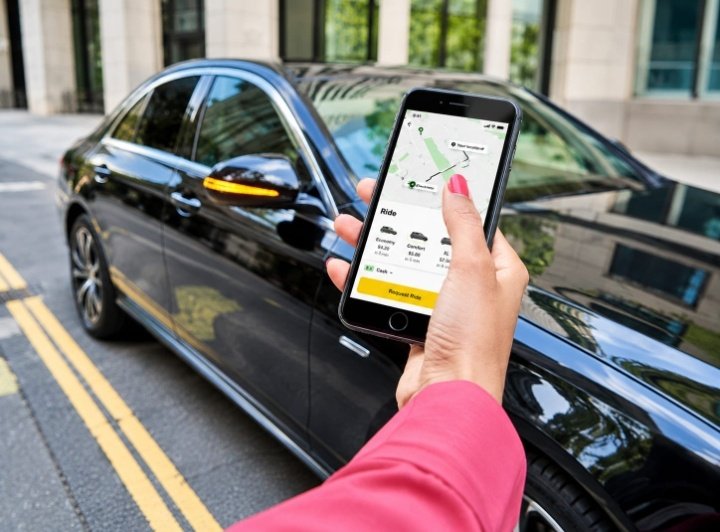
KARACHI (PR): As ride-hailing services expand across Pakistan, affordability and passenger safety are emerging as major factors shaping the industry, prompting platforms to increasingly rely on artificial intelligence (AI) to improve the experience for both passengers and drivers.
Ride-hailing platform inDrive says it is developing an AI-powered safety ecosystem that combines identity verification, account monitoring and ride-related data to identify suspicious activity and potential risks during journeys.
The technology uses machine learning to detect duplicate accounts, suspicious account changes and prohibited content in in-app conversations. Potential violations can trigger additional checks or be referred to human specialists for further assessment.
Driver onboarding includes document verification, facial comparison and vehicle inspection. The company also conducts periodic selfie verification and vehicle photo checks to help ensure that registered drivers and vehicles are being used.
Beyond automated monitoring, inDrive offers safety features including an emergency SOS button, trusted contacts, in-app calls and messaging, live ride sharing and in-trip monitoring. These measures are designed to allow passengers to seek assistance and keep family members informed about their journeys.
According to the company’s internal analytics, 8.8 million users shared their rides with close contacts between April and September 2026. However, the figure reflects the use of the feature rather than independently verified improvements in passenger safety.
Affordability remains another defining feature of Pakistan’s ride-hailing market. inDrive operates a peer-to-peer fare negotiation model, allowing passengers to propose fares while drivers can accept, counter or decline offers.
The company says its recommended fares are calculated using live market data and updated every 30 minutes. Drivers can also view destinations before accepting bookings, while the platform charges a commission of 7 percent, which it describes as the lowest in Pakistan.
Oxford Economics data from January 2026 indicates that 59 percent of riders and 54 percent of drivers in Pakistan reported completing more rides because of direct fare negotiations.
The company’s internal data also shows that motorcycle rides account for almost half of its passengers nationwide, while Ride Mini is the second-most popular option. In Islamabad, more than half of riders reportedly use Ride Mini.
As competition intensifies, the industry’s challenge will be to demonstrate that AI-driven monitoring can translate into measurable safety improvements without compromising affordability and flexibility for users.