
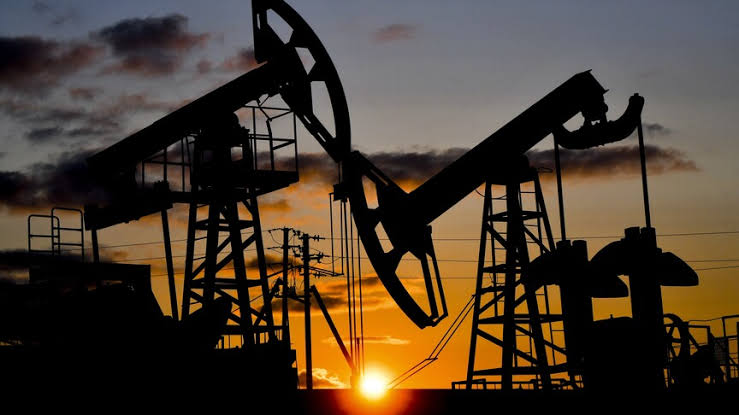
Global oil prices decline as supply surplus fears weigh on energy markets
KARACHI (Agencies): Global oil prices remained under pressure on Tuesday as Brent crude fell below $89 per barrel and US West Texas Intermediate (WTI) approached $80, reflecting growing concerns about a potential supply surplus and weakening geopolitical risk premiums.
The decline in international crude prices could offer some relief to oil-importing economies, particularly countries such as Pakistan that remain heavily dependent on imported petroleum to meet domestic energy requirements.
A combination of rising supply expectations, restored production infrastructure and concerns about global inventories has contributed to the downward movement.
One of the significant developments has been the resumption of operations at Libya’s Sharara oil pipeline, allowing additional crude supplies to reach storage facilities. The restoration of production flows has added to expectations of greater availability in international markets.
Meanwhile, concerns about a global oil supply surplus have intensified. Deutsche Bank estimated that global observed liquid inventories increased by 52 million barrels during October, equivalent to a surplus of approximately 1.7 million barrels per day.
Expectations of rising US crude and petroleum product inventories have also contributed to bearish sentiment, with market participants closely monitoring inventory data for indications of demand and supply conditions.
Geopolitical developments have provided another source of pressure. Expectations of possible diplomatic progress in the Middle East have encouraged investors to reduce some of the risk premium previously built into oil prices. However, continuing uncertainty around regional security and the Strait of Hormuz remains a significant concern for energy markets.
For Pakistan, declining international oil prices could provide important economic relief. Lower crude prices can reduce the country’s petroleum import bill, ease pressure on foreign exchange reserves and help moderate imported inflation.
Cheaper energy could also reduce transportation, manufacturing and production costs, potentially supporting industrial activity and business profitability.
However, the benefits for domestic consumers will depend on the extent to which international price movements are reflected in local petroleum prices, alongside exchange-rate fluctuations, taxation and government levies.
The direction of oil prices in coming sessions will largely depend on the balance between global production, consumption trends, inventory movements and geopolitical developments.
While the recent decline offers some relief to oil-importing countries, sustained price reductions will require a lasting improvement in global supply-demand conditions.