
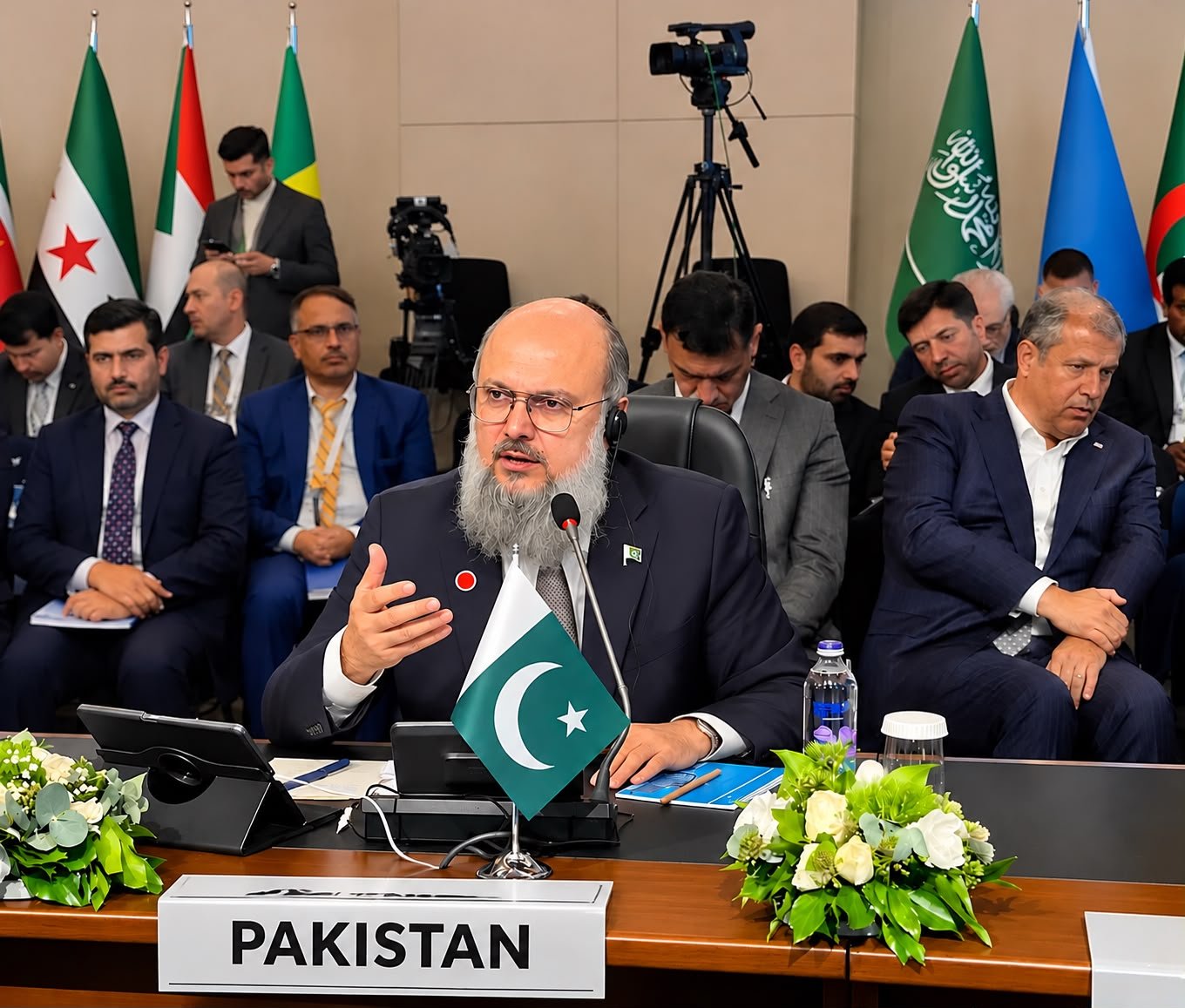
OIC eyes trade finance reforms to unlock SME export potential
ISTANBUL (TKP Report): Pakistan has called for sweeping improvements in trade financing across the Organisation of Islamic Cooperation (OIC) member states, highlighting persistent barriers faced by small businesses and exporters in accessing affordable credit.
Federal Minister for Commerce Jam Kamal Khan, representing OIC member states at the closing session of the 42nd Ministerial Session of the Standing Committee for Economic and Commercial Cooperation (COMCEC) in Istanbul, urged coordinated action to strengthen export competitiveness and expand trade among Islamic countries.
Addressing the gathering, chaired by Turkish Vice-President Cevdet Yılmaz, Jam Kamal said geopolitical tensions, supply chain disruptions, financial vulnerabilities and rising protectionism had made economic cooperation increasingly important.
Focusing on the session’s theme of developing effective trade financing tools to increase OIC exports, the minister identified limited access to affordable financing as a major constraint, particularly for micro, small and medium-sized enterprises (MSMEs).
He pointed to fragmented regulatory frameworks, high collateral requirements, transaction costs and lengthy administrative procedures as key obstacles preventing businesses from accessing suitable financing.
The minister proposed stronger regulatory coordination, diversified financing instruments and improved export credit guarantee mechanisms to address these challenges.
He also urged OIC countries to expand Shariah-compliant financing through risk-sharing arrangements, Islamic export credit insurance and greater cooperation among Islamic financial institutions.
Calling for digital integration of trade and financial systems, Jam Kamal highlighted the importance of connecting customs and banking systems, electronic trade documentation and single-window platforms to reduce transaction costs and simplify cross-border trade.
He further stressed the need for targeted financing facilities, credit guarantees, financial literacy programmes and technical assistance to support women- and youth-led enterprises.
The commerce minister said OIC member states possessed significant economic potential, geographical advantages, natural resources and human capital, but translating these strengths into shared prosperity required stronger partnerships and practical cooperation.
He called for greater private-sector engagement to promote investment, innovation, industrial development and employment, while urging COMCEC to help member states translate policy recommendations into measurable outcomes.
The session also addressed transport connectivity, sustainable tourism, agricultural productivity, food security, poverty alleviation and digital transformation.
On Palestine, Jam Kamal reaffirmed the collective support of OIC member states for the Palestinian people’s right to self-determination and called for an immediate cessation of Israeli violations and adherence to relevant United Nations resolutions.
Concluding his address, the minister said the success of the 42nd COMCEC session would be measured by the implementation of its decisions rather than the adoption of recommendations alone.