
1,200MW Chashma-5 to strengthen Pakistan’s energy security and industrial power supply
MIANWALI (Agencies): Pakistan’s efforts to strengthen energy security and ensure a reliable electricity supply for its industrial and economic sectors gained momentum as the dome of the 1,200-megawatt Chashma-5 Nuclear Power Plant was successfully installed, marking a major milestone in the country’s nuclear energy expansion.
The project, being developed with Chinese cooperation, is expected to begin commercial electricity generation in September 2030 and will add substantial baseload power to Pakistan’s national grid, helping diversify the country’s energy mix and reduce exposure to fluctuations in international fuel prices.
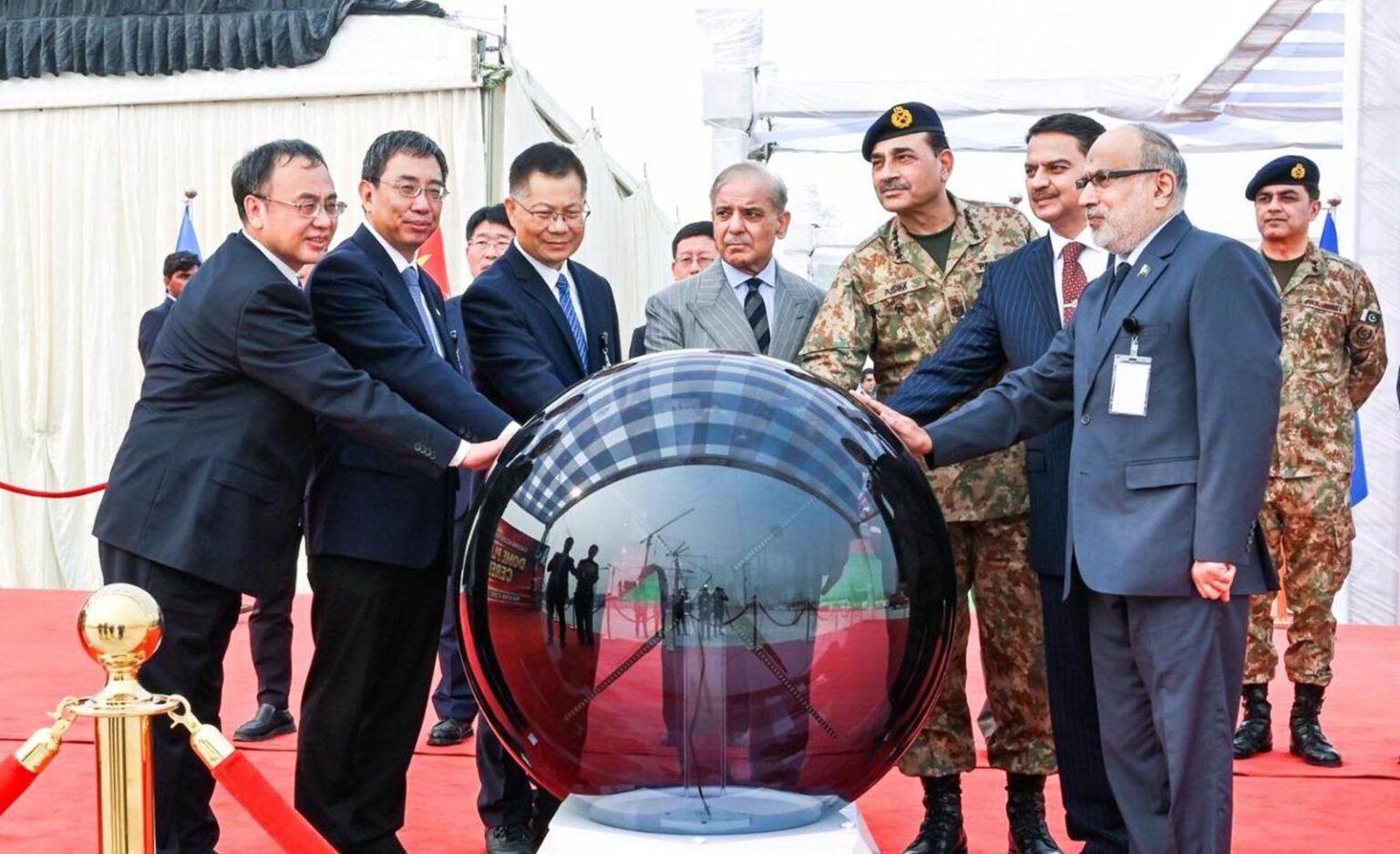
Prime Minister Shehbaz Sharif, addressing the dome installation ceremony in Mianwali on Tuesday, described the development as a proud milestone for Pakistan, saying Chashma-5 would provide clean, reliable and affordable electricity while supporting national energy security and economic growth.
He said nuclear energy could play a critical role in providing uninterrupted electricity to factories, hospitals and educational institutions, adding that its generation was not directly affected by fluctuations in imported fuel prices or dependent on weather conditions such as sunshine and wind.
For Pakistan’s industrial sector, the availability of reliable electricity remains essential for maintaining production, controlling operating costs and improving competitiveness. The addition of 1,200MW from Chashma-5 is expected to strengthen the country’s baseload generation capacity and provide a more dependable source of electricity for economic activity.
According to the Pakistan Atomic Energy Commission (PAEC), the country’s existing nuclear power plants have a combined installed generation capacity of 3,530MW, representing 8.6 per cent of Pakistan’s total installed electricity generation capacity.
However, nuclear energy contributes approximately 16.6 per cent of the country’s total electricity generation, while its share rises to around 26 per cent during winter.
The figures highlight the importance of nuclear power in Pakistan’s electricity mix, as its contribution to actual generation is significantly higher than its share in installed capacity.
With Chashma-5, Pakistan will further expand its nuclear generation infrastructure. Once operational, the additional 1,200MW will increase the country’s existing nuclear capacity to approximately 4,730MW, assuming existing plants remain operational.
The expansion comes at a time when Pakistan continues to face challenges related to electricity affordability, energy import dependence and the financial sustainability of its power sector.
The country’s reliance on imported energy commodities exposes the economy to international price movements, foreign exchange pressures and disruptions in global supply chains. Nuclear power offers an alternative source of large-scale electricity generation that is less directly exposed to international oil and gas price volatility.
For industrial consumers, a diversified energy mix and reliable baseload generation could support production continuity and improve long-term energy planning. However, the actual economic benefits will depend on project financing costs, construction timelines, operational efficiency and the electricity tariff determined for consumers.
Speaking at the ceremony, Shehbaz Sharif said the project represented Pakistan’s determination to build its future through hard work, technological development and effective utilisation of national resources.
He recalled that the foundation stone of Chashma-5 was laid in July 2023 and said the successful dome installation, achieved ahead of schedule in less than three and a half years, reflected the commitment of Pakistani and Chinese engineers and technical teams.
The prime minister expressed confidence that the project would also become operational ahead of its scheduled completion, appreciating the contributions of engineers, contractors, technical experts and workers from both countries.
He described Chashma-5 as a symbol of Pakistan-China friendship, noting that it was the seventh nuclear power unit being developed in Pakistan with Chinese cooperation.
He thanked Chinese President Xi Jinping, the Chinese government and China National Nuclear Corporation for their continued support, saying bilateral cooperation was helping create economic opportunities and strengthen Pakistan’s development prospects.
The project also carries environmental significance as Pakistan seeks to expand electricity generation while reducing carbon emissions.
According to the PAEC chairman, the country’s existing nuclear power plants are helping avoid approximately 15 million tonnes of carbon dioxide emissions annually by providing low-carbon electricity.
The chairman said nuclear energy accounted for 8.6 per cent of installed generation capacity but supplied around 16.6 per cent of total electricity generation, reaching approximately 26 per cent during winter.
The prime minister said Pakistan, as a country vulnerable to climate change, had a responsibility to pursue energy solutions that supported economic development while protecting the environment.
Chief of Army Staff and Chief of Defence Forces Field Marshal Syed Asim Munir, Chinese officials and senior representatives of relevant institutions attended the ceremony.
The successful dome installation marks a significant construction milestone, although the project’s broader contribution to industrial competitiveness and electricity affordability will ultimately depend on its timely completion and cost-effective integration into the national grid.
With an expected generation capacity of 1,200MW and a commissioning target of September 2030, Chashma-5 is expected to become a major addition to Pakistan’s long-term energy infrastructure.