
Pakistan faces $2 billion annual disaster losses as ADB approves $500 million financing facility
KARACHI (Staff Report): Pakistan faces estimated annual economic losses of around $2 billion from floods, earthquakes and other natural disasters, highlighting growing risks to the country’s economic stability and public finances, as the Asian Development Bank (ADB) has approved $500 million in contingent disaster financing to strengthen the country’s financial preparedness and response capacity.
The financing facilities, approved under ADB’s policy-based lending, are designed to provide prompt budgetary support following eligible disaster events, helping Pakistan manage emergency expenditures and limit the wider economic and fiscal consequences of natural calamities.
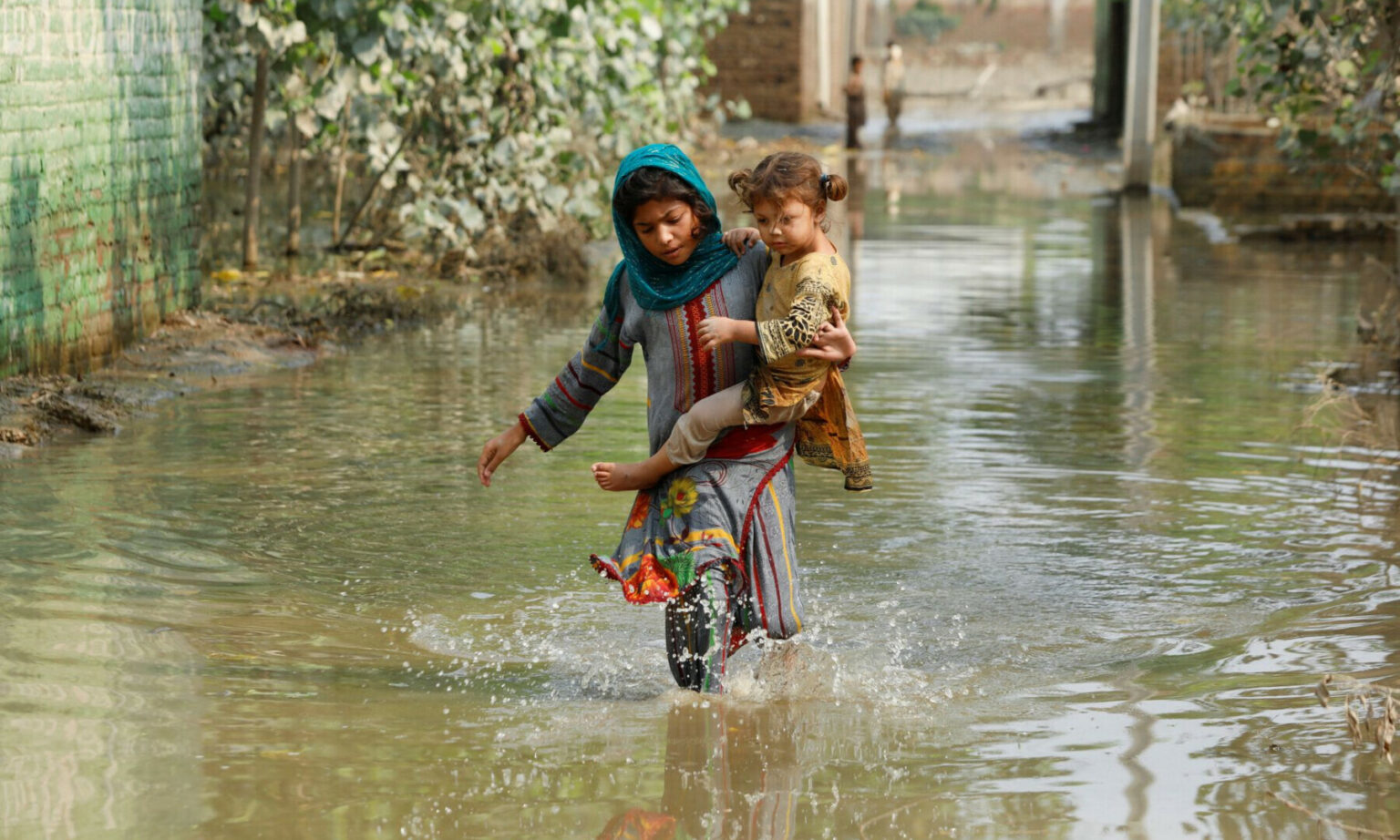
The approval comes as Pakistan continues to face substantial economic vulnerabilities from recurring climate-related disasters. The devastating floods of 2022 alone caused an estimated $14.9 billion in direct physical damage and $15.2 billion in economic losses, while pushing up to 9.1 million people into poverty.
The scale of these losses highlights how natural disasters can undermine economic growth, damage infrastructure, disrupt agricultural production, affect employment and increase pressure on government finances.
With estimated annual average disaster losses of $2 billion, Pakistan faces a recurring economic burden that extends beyond immediate humanitarian emergencies. The destruction of infrastructure, disruption of economic activity and loss of household incomes can create prolonged recovery costs, particularly in rural and economically vulnerable communities.
The newly approved ADB financing aims to address this challenge by strengthening the country’s disaster risk financing framework and ensuring that financial resources can be mobilised quickly after eligible disaster events.
The facilities form part of the second subprogram of ADB’s Climate and Disaster Resilience Enhancement Program, which seeks to improve disaster preparedness and risk management through policy reforms and the integration of resilience measures into development planning and investment.
The programme also aims to strengthen institutional mechanisms for managing disaster-related financial risks, reducing dependence on delayed emergency funding and improving the government’s ability to respond to major natural disasters.
ADB Country Director for Pakistan Emma Fan said investing in preparedness could help protect lives and livelihoods, reduce economic losses and safeguard development gains achieved by the country.
She said the programme would support Pakistan in implementing critical reforms to ensure a more resilient future, particularly for vulnerable communities that suffer the most severe consequences of natural disasters.
The economic impact of disasters is particularly pronounced among poor and rural households, which often have limited financial resources and fewer opportunities to recover from damage to homes, agricultural land and livelihoods. Women and girls also remain disproportionately affected by such events.
For Pakistan, strengthening disaster preparedness has become increasingly important as climate-related shocks threaten economic activity, food security, infrastructure and public investment.
The 2022 floods demonstrated the wider consequences of inadequate disaster resilience, with billions of dollars in damage and economic losses accompanied by a significant increase in poverty.
The latest ADB initiative reflects a shift towards strengthening financial preparedness alongside conventional disaster response measures. Rather than relying exclusively on funding arrangements after a catastrophe, contingent financing can help the government access resources more promptly when qualifying disasters occur.
However, the effectiveness of the facilities will depend on the implementation of policy reforms, institutional coordination and the integration of disaster resilience into public investment and development planning.
The programme aligns with Pakistan’s disaster risk management priorities and ADB’s broader commitment to strengthening climate and disaster resilience across Asia and the Pacific.