
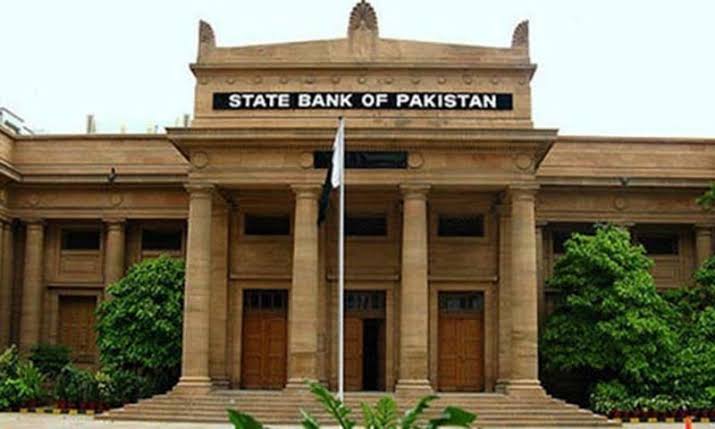
Pakistan’s Economic Stability came at cost of sluggish GDP Growth: SBP Deputy Governor
KARACHI (TKP Report): Pakistan’s achievement of macroeconomic stability over the past four years has come at the cost of subdued economic growth and higher unemployment, with real GDP expanding at an average rate of just 2.1 per cent during the period, State Bank of Pakistan (SBP) Deputy Governor Saleemullah said on Wednesday.
Addressing the RESET 2.0 Retail Banking and Small Business Conference in Karachi, Saleemullah said that although the country has achieved macroeconomic stability, the challenge now is to translate these gains into sustainable economic growth by expanding financing for agriculture and small and medium enterprises (SMEs).
He emphasized that the banking sector must play a greater role in supporting productive economic activities rather than focusing primarily on conventional banking products.
“The work we need to do is contribute to real GDP growth,” he said, pointing out that sectors such as agriculture were still struggling to achieve growth above 2.5 per cent.
Saleemullah said Pakistan’s banking sector has recorded substantial growth over the past five years, but several structural challenges continue to restrict its contribution to the broader economy.
He stressed that expanding access to finance for small businesses and agriculture is crucial to improving productivity, generating employment and creating new economic opportunities.
Highlighting the financing gap, the deputy governor said approximately 2.9 million SMEs in Pakistan are unable to access bank financing, underscoring the need for financial institutions to develop products suited to the requirements of smaller businesses.
“Our focus should be on agriculture and small businesses. New banking products will emerge automatically,” he said.
He argued that businesses could only grow sustainably when their customers also experienced growth, urging banks to move beyond conventional deposit-based products and introduce financial solutions that create value for customers.
“Banks should certainly earn profits, but not at the expense of their customers,” Saleemullah remarked.
He particularly called on banks to move beyond current accounts and develop products that address the actual financial requirements of individuals, entrepreneurs and businesses.
The deputy governor also highlighted the potential of overseas Pakistani remittances, estimating that the country could receive approximately $45 billion in remittances by the end of the current fiscal year.
However, he observed that the banking sector had not developed sufficiently attractive investment products for overseas Pakistanis, resulting in a significant portion of remittance money being directed towards real estate and other sectors.
He urged banks to explore opportunities to channel these inflows into more productive investment avenues through innovative financial products.
Saleemullah said technological platforms already available in the country offered considerable opportunities to expand financial services, improve accessibility and facilitate lending to underserved segments.
The conference also highlighted the banking industry’s responsibility to address the financing constraints confronting small businesses.
Bank Alfalah President and Chief Executive Officer Atif Bajwa acknowledged that the banking sector needed to reconsider its approach towards customers, arguing that financial institutions often prioritized their own profitability and performance indicators over customers’ actual requirements.
Reflecting on the industry’s approach to product development, Bajwa said banks frequently introduced products without adequately considering whether they served customers’ interests.
He cited current accounts as an example, arguing that recommending such accounts to customers could sometimes benefit banks more than account holders.
He said the same issue extended to SME financing, where millions of businesses remained outside the formal credit system despite having banking relationships and financial requirements.
He stressed that banks needed to understand their customers’ requirements and reconsider their lending priorities to support a broader range of businesses.
Bajwa also raised questions about the differences in margins between Islamic and conventional banks, saying such matters required further examination.
Meanwhile, Adviser to the Finance Minister for Special Initiatives Adnan Pasha said affordable financing for small businesses and farmers is indispensable for sustainable economic growth.
He warned that when businesses and farmers failed to obtain financing through formal banking channels, they were forced to rely on informal sources of credit, a situation that could not support sustainable economic expansion.
Pasha said the government is working to facilitate lending by reducing risks for banks while creating new business opportunities for financial institutions.
He added that the government is engaging with the Small and Medium Enterprises Development Authority (SMEDA) to address the financing requirements of SMEs in coordination with banks and regulators.
Announcing plans for the next phase of agricultural financing, Pasha said the government would launch the Zarkhez-e 2.0 programme next year.
He said banks would have to participate in risk-sharing arrangements and shift their focus from merely developing financial products towards improving productivity.
According to Pasha, Prime Minister Shehbaz Sharif reviews the Prime Minister’s Access to Credit Programme every month, while he and SBP Deputy Governor Saleemullah assess its progress on a weekly basis.
He said policy continuity would be essential to improving access to financing and strengthening agricultural lending.
Pasha added that the government wanted to increase agricultural financing by banks to Rs2 trillion and would require greater support from financial institutions to achieve this target.
The conference also discussed financial inclusion, digital lending, housing finance, savings and investment opportunities.
Pakistan Stock Exchange (PSX) Chief Executive Officer Farukh Sabzwari highlighted the growing participation of younger investors in the capital market, saying average monthly account openings had increased to approximately 25,000 from 5,000 last year.
He urged parents not to discourage members of Generation Z from investing in the stock market, noting that negative experiences during the 1998 and 2008 financial crises had influenced their attitudes towards equity investments.
Sabzwari said a PSX Sahulat Account could be opened in approximately seven minutes, while the exchange was working with the Securities and Exchange Commission of Pakistan (SECP) and the State Bank to address documentation and know-your-customer requirements affecting regular accounts.
He also highlighted the need to improve women’s financial inclusion, noting that women accounted for only 24 per cent of Pakistan’s workforce, according to his remarks.
The conference, organized by Green Peak International and the Pakistan Banks Association, carried the theme “What Banks Build” and brought together senior banking executives, regulators and financial-sector representatives to discuss the industry’s role in supporting economic development.
The discussions underscored a central challenge for Pakistan’s banking sector: translating its own expansion into greater access to credit, higher productivity and stronger economic growth.