
Pakistan targets 30% EV share in new car sales by 2030
KARACHI: Pakistan is targeting a 30 percent share for electric vehicles in new car sales by 2030, as the government accelerates its efforts to transform the country’s transport sector and reduce dependence on conventional fuel-powered vehicles.
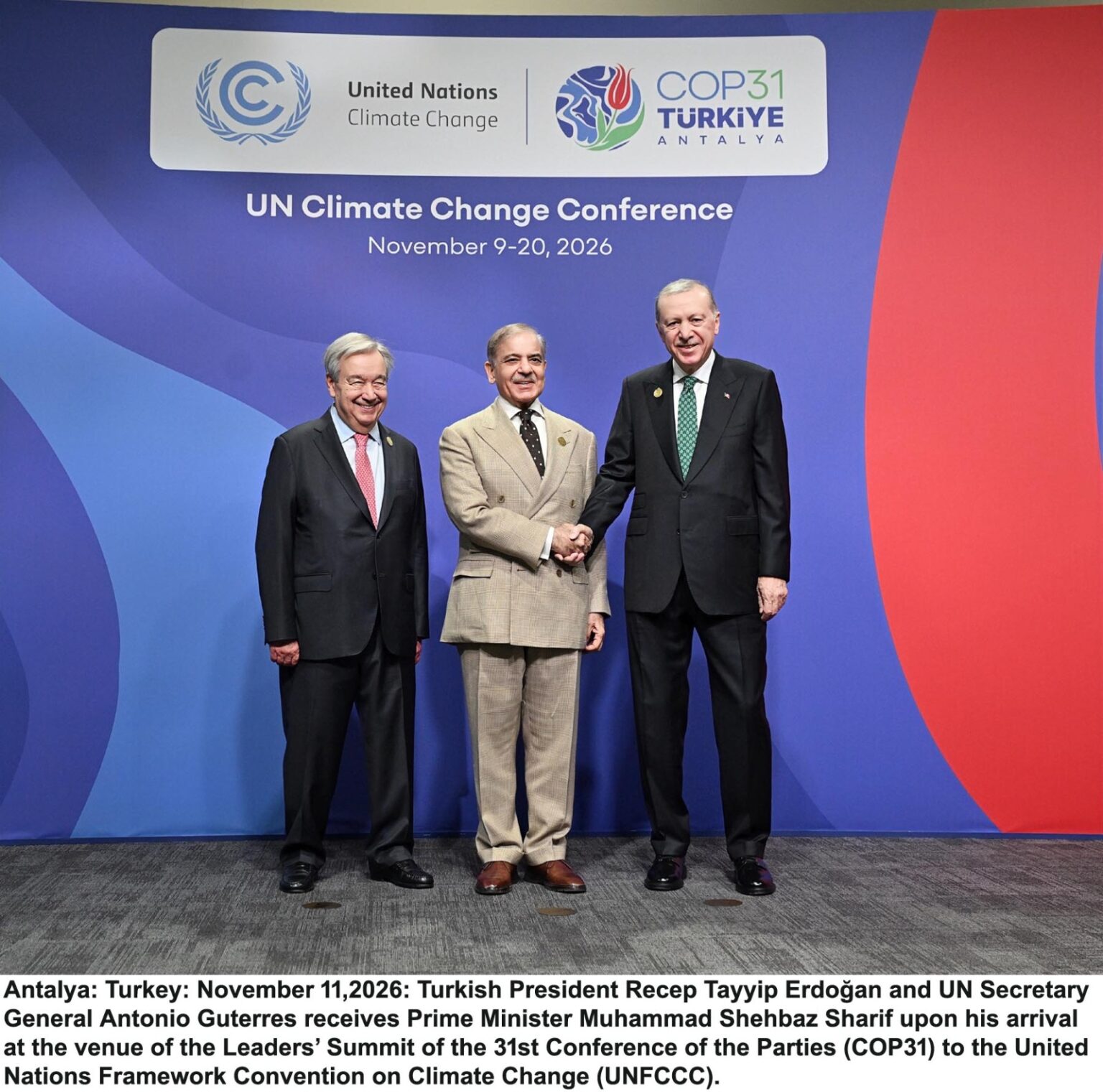
Prime Minister Shehbaz Sharif announced the target while addressing a high-level clean energy meeting on the sidelines of the COP31 summit in Antalya on Wednesday.
The Prime Minister said Pakistan’s recently introduced automobile policy had established a target of converting 30 percent of new vehicle sales into electric vehicles by 2030, with the government planning to provide incentives, including lower tariffs, to support the transition.
He further announced that all buses and motorcycles purchased by the government in the future would be electric, signalling a shift towards electric mobility in public-sector transportation.
Highlighting the growing adoption of electric motorcycles, Sharif said that for the first time, more than one out of every ten motorcycles sold in Pakistan during the current year was electric.
The announcement comes as Pakistan seeks to strengthen its clean energy transition and expand the use of electricity in the transportation sector.
The Prime Minister said the country was making progress towards its broader clean energy objectives, with clean energy sources accounting for approximately 55 percent of its overall energy mix.
However, he emphasized that achieving the transition would require substantial investment, affordable technology and continued financial support.
According to the Prime Minister, Pakistan requires approximately $138 billion by 2035 for low-carbon electricity generation projects, while another $50 billion would be needed to replace coal-based electricity generation with solar energy.
He said developing countries needed international financial assistance and access to affordable technologies to meet their climate commitments without placing excessive pressure on their economies.
Sharif stressed that the clean energy transition must be supported by practical measures and collective international cooperation.
The government also intends to expand the country’s electricity transmission infrastructure and develop reliable energy storage systems to support the increasing integration of clean energy sources.
The Prime Minister reiterated that Pakistan remained committed to sustainable development and reducing the environmental impact of economic growth.