
Pakistan offers sea access to landlocked ECO economies through its ports
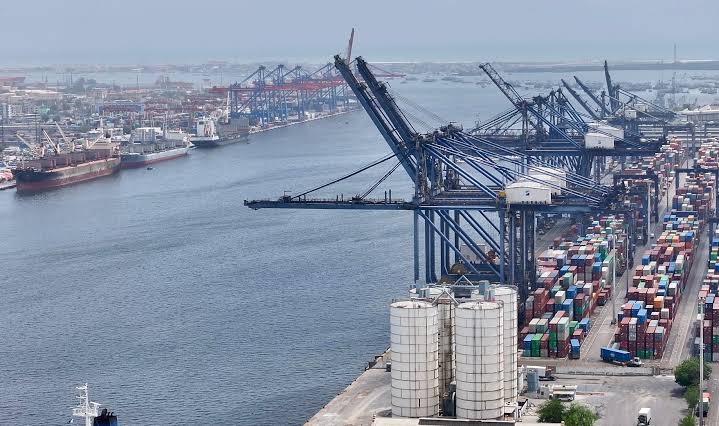
ISLAMABAD (Staff Report): Pakistan has placed its seaports at the centre of its regional economic connectivity agenda, offering landlocked member states of the Economic Cooperation Organisation (ECO) access to regional and international markets through Karachi, Port Qasim and Gwadar.
Prime Minister Shehbaz Sharif, while meeting foreign ministers and heads of delegations from ECO member states in Islamabad on Monday, underscored Pakistan’s strategic geographical position and commitment to strengthening regional connectivity through road, rail and multimodal transport corridors.
The visiting delegations are in Islamabad to attend the 30th session of the ECO Council of Ministers.
The prime minister said Pakistan was committed to further strengthening regional links through transport corridors connecting its major ports, particularly highlighting the potential of these routes to facilitate landlocked ECO members in accessing international markets.
The proposal carries economic significance for Central Asian economies and other landlocked countries within the organisation, which depend on transit routes through neighbouring states to reach maritime trade networks.
Pakistan’s ports could offer an alternative trade gateway for these economies, potentially reducing dependence on longer supply routes while creating opportunities for greater regional commerce, investment and logistics cooperation.
However, converting this geographical advantage into commercial benefits would require efficient cross-border transport arrangements, improved rail and road infrastructure, streamlined customs procedures and effective implementation of regional transit agreements.
The prime minister stressed that existing ECO agreements needed effective implementation and institutional strengthening to accelerate economic cooperation among member states.
He also called for enhanced collaboration in trade and investment, transportation corridors, energy, information and communication technology and sustainable development.
Pakistan’s incoming ECO chairmanship for 2026–27 provides an opportunity to advance these priorities. The country’s proposed theme for the year, “Revitalizing Regional Cooperation for a Strong and Resilient ECO”, reflects its emphasis on strengthening economic integration across the region.
The 30th ECO Council of Ministers meeting also welcomed the Islamabad Declaration and approval of strategic objectives for economic cooperation covering 2026–2035.
These objectives are intended to provide a longer-term framework for regional collaboration, although their economic impact will depend on the willingness and capacity of member states to translate commitments into practical arrangements.
For Pakistan, stronger connectivity with ECO economies could also expand the commercial relevance of its ports, support transit trade and create additional opportunities for the country’s transport, shipping, warehousing and logistics sectors.
Separately, the prime minister invited ECO member states to participate in activities marking Lahore’s designation as the ECO Tourism Capital for 2027.
He reiterated Pakistan’s commitment to working with member states and the ECO Secretariat to strengthen the organisation during its chairmanship.
Pakistan is also scheduled to host the next ECO Council of Ministers meeting and the ECO Summit in 2027.