
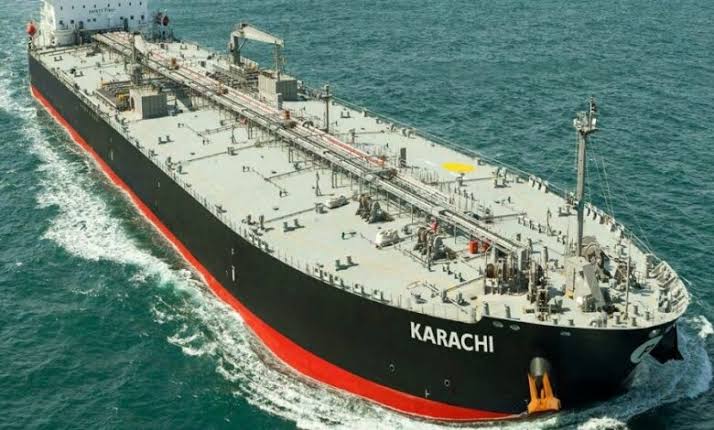
Pakistan eyes shipping expansion to cut foreign freight dependence
ISLAMABAD (News Desk): Pakistan is seeking to strengthen its position in international maritime trade through an expansion of its national shipping fleet and modernisation of port infrastructure, as the government looks to reduce logistical constraints, improve trade competitiveness and establish the country as a regional trade and transshipment hub.
Prime Minister Shehbaz Sharif on Tuesday directed authorities to prepare a comprehensive and commercially viable plan for expanding the fleet of Pakistan National Shipping Corporation (PNSC), alongside reforms aimed at modernising port operations, cargo handling and clearance procedures.
Chairing a meeting on the country’s ports and PNSC at the Prime Minister’s House, Shehbaz stressed that Pakistan’s maritime infrastructure must play a greater role in supporting economic growth, facilitating international trade and attracting commercial activity.
The proposed expansion of PNSC’s fleet carries broader economic significance, particularly for a country whose international trade depends heavily on maritime transportation. Greater national shipping capacity could potentially help Pakistan retain a larger share of shipping-related foreign exchange expenditure within the domestic economy.
However, the scale of this opportunity will depend on the number of vessels acquired, their commercial utilization, financing arrangements and the proportion of national cargo that PNSC can realistically transport.
The prime minister directed the relevant authorities to develop actionable proposals for increasing the corporation’s fleet so that national shipping facilities could be strengthened for both imports and exports.
He also called for comprehensive reforms to transform PNSC into a modern, financially sustainable and internationally competitive organisation.
According to the official statement, a business development plan has already been prepared for the corporation. The proposed reforms include fleet expansion and improvements in human resource management, with the broader objective of raising Pakistan’s sea-cargo handling capacity to international standards by 2030.
The government’s focus on shipping capacity comes at a time when maritime logistics remain a critical component of Pakistan’s external trade competitiveness. Shipping costs, cargo clearance delays and inefficient port operations can increase the cost of imports while weakening the price competitiveness of Pakistani exports.
For businesses, particularly exporters operating in international markets, improvements in port efficiency could translate into lower logistical expenses, more predictable delivery schedules and better integration with global supply chains.
Shehbaz also instructed all port-related institutions to improve coordination and adopt a unified approach towards resolving problems faced by the business community.
He emphasised that cargo transportation, clearance and other port-related processes should be modernised to facilitate businesses and accelerate commercial activity.
The ambition to establish Pakistan as a regional trade and transshipment hub, however, will require more than an expansion of shipping capacity. Efficient customs procedures, competitive port charges, reliable infrastructure, connectivity with regional markets and streamlined institutional coordination will also be essential.
Pakistan’s major maritime gateways, including Karachi Port, Port Qasim and Gwadar Port, have strategic potential, but converting that potential into greater international cargo traffic will require sustained investment and improvements in operational efficiency.
The proposed PNSC transformation also raises important questions regarding capital requirements, vessel acquisition costs and the financing structure for fleet expansion. The corporation will need a commercially sustainable strategy to increase capacity without creating an excessive financial burden.
The government has yet to disclose the proposed number of additional vessels, the investment required or a detailed timeline for implementation.
These details will be important in determining whether the 2030 reform target can translate into a meaningful reduction in shipping dependence and improved foreign exchange retention.
The meeting was attended by Federal Minister for Maritime Affairs Junaid Anwar Chaudhry, Federal Minister for Economic Affairs Ahad Khan Cheema, Federal Minister for Law and Justice Azam Nazeer Tarar, Adviser to the Prime Minister on Privatisation Muhammad Ali, Minister of State for Finance Bilal Azhar Kiani and other senior officials.
For Pakistan, the challenge is no longer simply to expand port infrastructure but to build a competitive maritime ecosystem capable of supporting exports, reducing trade-related costs and retaining a greater share of the economic value generated by international shipping.