
Pakistan seeks banking links with 4 countries to boost trade
ISLAMABAD (Staff Report): Pakistan is seeking to strengthen trade-related banking and financing linkages with Bangladesh, China, the Maldives and Sri Lanka as the government looks to facilitate cross-border transactions, diversify export markets and improve access to international financial services for local businesses.
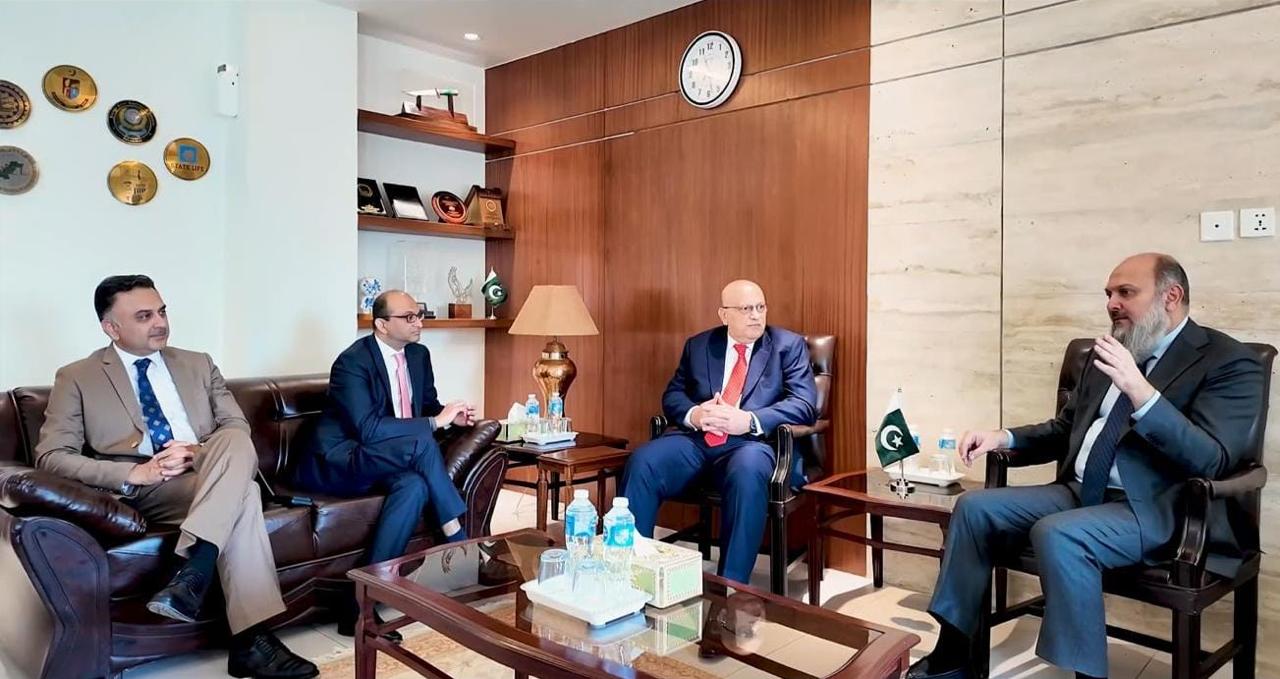
The initiative was discussed during a meeting between Federal Minister for Commerce Jam Kamal Khan and a delegation led by Habib Bank Limited (HBL) President and Chief Executive Officer Muhammad Nassir Salim in Islamabad on Wednesday.
The discussions focused on the role of commercial banks in expanding Pakistan’s regional trade, facilitating exporters and improving access to institutional financing, particularly for small and medium-sized enterprises (SMEs).
According to the Ministry of Commerce, it was agreed that the ministry would support HBL in strengthening trade-related banking and financing linkages with the four countries. The proposed collaboration is aimed at facilitating trade transactions, improving access to banking channels and supporting greater bilateral commerce.
The discussions come as Pakistan seeks to diversify its export destinations and identify new commercial opportunities beyond traditional markets. Banking connectivity and the availability of trade finance remain important components of international commerce, particularly for businesses dealing with overseas buyers and suppliers.
Improved financial linkages could help exporters manage international payments, access trade-related banking services and establish commercial relationships in regional markets. However, the proposed cooperation is still at the coordination stage, with no specific agreements, operational payment arrangements or implementation timelines announced.
Another major area of discussion was the financing gap faced by Pakistan’s largely informal SME sector.
Jam Kamal Khan emphasised the need to bring small and medium-sized businesses into the documented economy, arguing that formalisation would improve their access to institutional financing, enhance product quality and strengthen their ability to compete in international markets.
The minister highlighted that compliance with international standards, quality assurance and product traceability were increasingly important requirements for businesses seeking access to global supply chains.
For Pakistani SMEs, limited access to formal credit can constrain investment in machinery, technology, production capacity and quality certification. The absence of documented financial records can also make it difficult for banks to assess borrowers and extend financing.
The HBL delegation shared its perspective on these challenges, particularly the difficulties financial institutions face when lending to undocumented businesses. Both sides discussed ways to expand financial inclusion, encourage digital transactions and promote greater economic formalisation.
The meeting also highlighted the potential role of digital banking in improving financial access for businesses that remain outside the formal banking system. Greater use of digital payment channels could help create transaction records, improve transparency and strengthen the financial documentation required for institutional lending.
Regulatory reform was another important component of the discussions. Jam Kamal Khan said the government was working to simplify business regulations, eliminate overlapping licensing requirements and reduce unnecessary administrative hurdles to encourage investment and industrial growth.
The minister also discussed Pakistan’s export opportunities in Africa, Southeast Asia and the Middle East, noting that the Ministry of Commerce was developing country-specific and sector-wise strategies to diversify exports and identify new markets.
He stressed that commercial banks needed to support this strategy through trade finance, international transactions and financial services that enable exporters to enter overseas markets.
The meeting also covered the government’s priorities relating to SME development, agriculture and housing, with both sides discussing the role of financial institutions in supporting these sectors.
The proposed cooperation between the Commerce Ministry and HBL reflects an effort to connect Pakistan’s export diversification agenda with the banking sector’s capacity to facilitate international commerce.
However, the effectiveness of the initiative will depend on translating discussions into practical banking arrangements, improving access to trade finance and addressing regulatory and documentation barriers faced by businesses.
For Pakistan’s exporters, particularly smaller enterprises, easier access to international banking channels and affordable financing could become important factors in expanding their presence in regional markets.
The meeting concluded with an understanding to strengthen coordination between the Ministry of Commerce and HBL on trade facilitation, investment, SME development and Pakistan’s commercial engagement with international markets.