
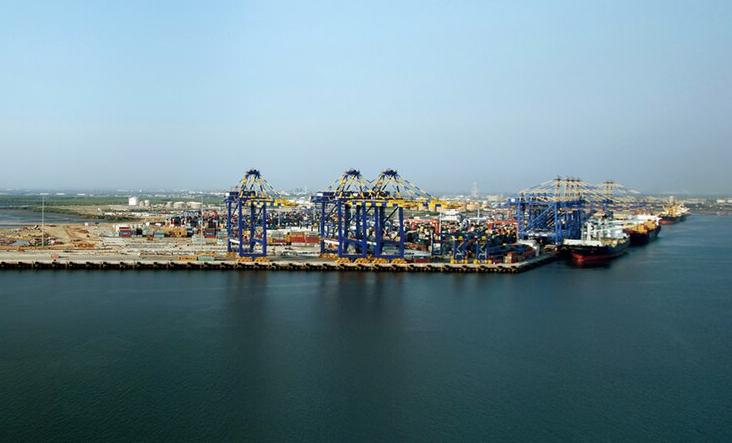
Port Qasim receives largest-ever LPG cargoes as 2 ships carry over 21K tonnes each
KARACHI (Staff Report): Port Qasim has recorded a major milestone in liquefied petroleum gas (LPG) handling, with two vessels carrying more than 21,000 metric tonnes each arriving at the port within days, marking the largest LPG cargo parcels handled in its history.
According to the Port Qasim Authority (PQA), LPG carrier Pacific Star 1 arrived on November 16, carrying 21,115 metric tonnes of LPG, while another vessel, Seashine, arrived on November 18 with an even larger consignment of 21,866 metric tonnes.
Pacific Star 1 is currently berthed at EVTL, while Seashine is anchored at the outer anchorage, awaiting further port operations.
PQA’s Public Relations Officer Asad Warsi confirmed that the Pacific Star 1 cargo represented the largest LPG parcel handled at Port Qasim to date. However, the subsequent arrival of Seashine has surpassed that record with its 21,866-tonne shipment.
The two vessels highlight the growing scale of LPG cargo movements through Pakistan’s major energy import gateway.
The arrivals were part of a broader series of LPG shipments received at Port Qasim during the week from November 12 to November 18.
Four other vessels also arrived during this period. GAS RGA brought 1,621 metric tonnes on November 12, followed by Victoria Kosan with 4,387 tonnes on November 14. Leonara Kosan arrived on November 17 carrying 3,877 tonnes, while Alisa 1 brought another 3,551 tonnes on the same day.
Including the two record-sized shipments, the six vessels delivered a combined 56,417 metric tonnes of LPG to Port Qasim within seven days.
The latest arrivals underline the importance of maritime infrastructure and specialized terminal facilities in maintaining Pakistan’s imported energy supply chain.
LPG plays an important role in Pakistan’s domestic and commercial energy consumption, particularly among households and businesses that rely on it as an alternative fuel.
The scale of the latest cargoes also puts the spotlight on the country’s ability to receive, handle and distribute large energy shipments efficiently.
However, the arrival of increased volumes does not automatically translate into lower domestic prices. The impact on the local market will depend on distribution, terminal handling, transportation costs, import pricing and the availability of supplies across the country.
With Seashine carrying a larger parcel than Pacific Star 1, Port Qasim has registered a new benchmark in LPG cargo handling, reinforcing its role in Pakistan’s energy import infrastructure.