
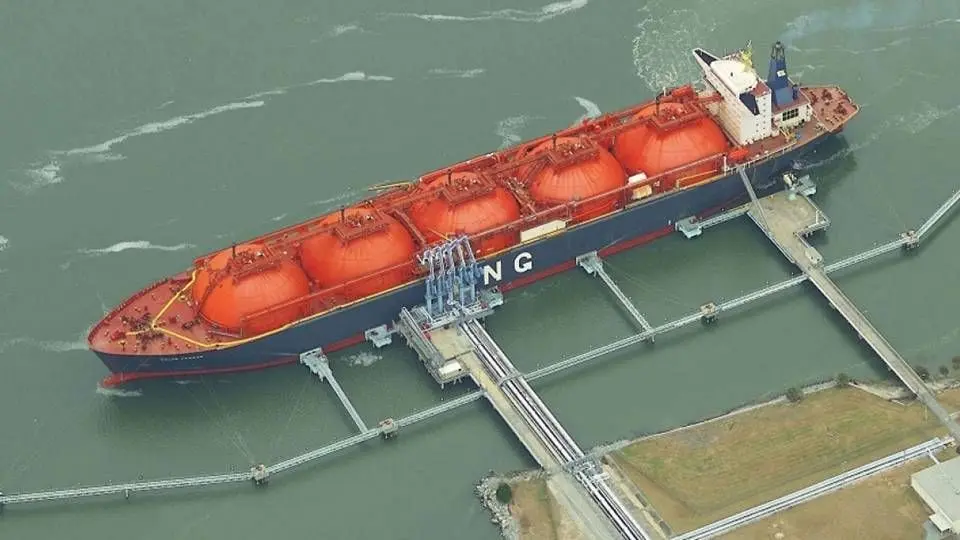
PSO makes first-ever LPG import as 22,000 tonnes arrive in Pakistan
KARACHI (Staff Report): Pakistan State Oil (PSO) has made its first-ever liquefied petroleum gas (LPG) import, bringing in 12,000 tonnes of the fuel as part of efforts to improve domestic supplies and ease winter price pressures.
A total of 22,000 tonnes of LPG has arrived in Pakistan, including 10,000 tonnes imported by private company Pyramid, according to industry sources. The vessel carrying the shipment is expected to berth at the Engro Terminal this evening for LPG unloading.
The development is expected to improve LPG availability during the winter season, when household demand typically increases, while potentially putting further downward pressure on domestic prices.
PSO’s entry into the LPG import market marks a significant development in the state-owned oil company’s operations. Sources said PSO and Sui Southern Gas Company (SSGC) would sell imported LPG at marginal profit margins, while private importers would be allowed to sell their supplies at reasonable commercial margins.
Pakistan has imported around 50,000 tonnes of LPG so far this month, reflecting an acceleration in efforts to strengthen supplies amid elevated domestic prices.
Sources said the government and relevant stakeholders were also planning to procure another 50,000 tonnes of LPG from the international market in December to ensure adequate availability during the peak winter demand period.
The increased imports have already coincided with a decline in domestic LPG prices, which have fallen by as much as Rs120 per kilogram from their record levels.
LPG prices had previously surged to between Rs550 and Rs650 per kilogram in different markets, placing additional financial pressure on households and businesses dependent on the fuel.
Currently, LPG is being sold at approximately Rs430 to Rs530 per kilogram in various cities across the country, although prices continue to vary by location and market conditions.
The latest shipment, alongside the planned December imports, could provide further relief to consumers if supplies reach domestic markets efficiently and import costs translate into lower retail prices.
However, the extent of price relief will depend on international LPG prices, exchange-rate movements, transportation costs and the margins charged across the supply chain.
With winter demand approaching its peak, the sustainability of the recent price decline will depend on whether Pakistan can maintain sufficient imports and ensure their timely distribution across the country.