
Pakistan’s cashless drive expands, merchant adoption remains key test
ISLAMABAD (Staff Report): Pakistan has made significant progress in expanding digital payments, with merchant payment acceptance points quadrupling to more than two million since June 2025. However, wider adoption among small businesses and retailers remains a key challenge in the country’s transition towards a cashless economy.
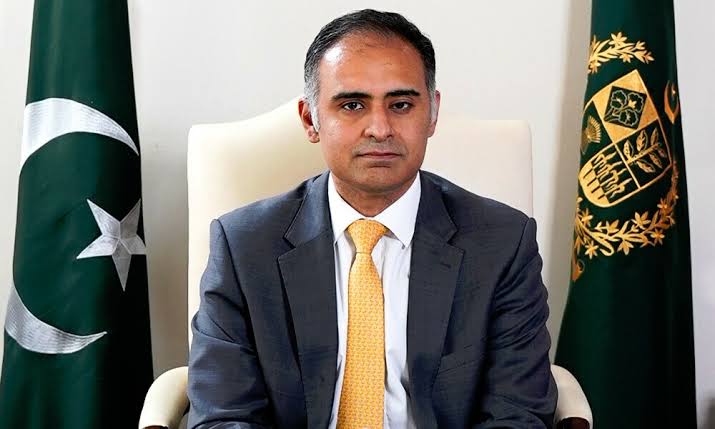
According to figures shared by the Minister of State for Finance Bilal Azfar Kayani in a post on X handle, annual digital transaction volumes have more than doubled to 16 billion, while the number of digital banking users has increased from approximately 95 million to 140 million.
The expansion reflects growing use of digital financial services, supported by government initiatives, banking institutions and payment infrastructure. Yet the availability of digital payment facilities does not necessarily mean that consumers and merchants have shifted away from cash in their everyday transactions.
The government’s Cashless Pakistan initiative, led by Prime Minister Shehbaz Sharif, is seeking to accelerate this transition by expanding digital payment options and strengthening the country’s digital financial infrastructure.
One of the major developments has been the increase in digital payment acceptance points at small businesses and merchant outlets, from around 500,000 to more than two million. The expansion is intended to make electronic payments more accessible beyond conventional banking channels.
The government has also reported progress in social protection payments, saying all 10 million beneficiaries of the Benazir Income Support Programme (BISP) have individual digital wallet accounts linked to their own SIM cards and have started receiving payments directly through them.
Meanwhile, 76 per cent of payments by centralized and self-accounting government entities are now digitized and processed through Raast, Pakistan’s instant payment system.
Digital payments have also expanded across public services. The government says 99 per cent of payments at NADRA service centres are now digital, reducing cash transactions from 71 per cent to just one per cent. Raast QR codes have also been made available on more than 51 million monthly electricity and gas bills.
The next phase of the initiative aims to ensure that all federal and provincial government payments are made digitally and that citizens have at least one digital payment option when paying for government services.
However, sustaining the momentum will require more than expanding infrastructure. Small retailers and businesses must find digital payments affordable, reliable and easy to use, while consumers need confidence in transaction security and accessibility.
Pakistan’s cashless transition will ultimately be measured not only by the number of digital accounts and payment facilities, but by how consistently businesses and citizens use them in daily economic activity.
Editorial note: The figures and policy targets are based on the government statement provided. The final paragraph is an analytical context, not a reported finding from the statement.