
Oil shock exposes cracks in Pakistan’s economic recovery
KARACHI (TKP Report): Pakistan’s improving foreign exchange reserves and stronger external account position offered encouraging signs of economic stabilisation during FY26, but a sharp resurgence in inflation following the Middle East conflict exposed the vulnerability of the country’s recovery to international energy market disruptions.
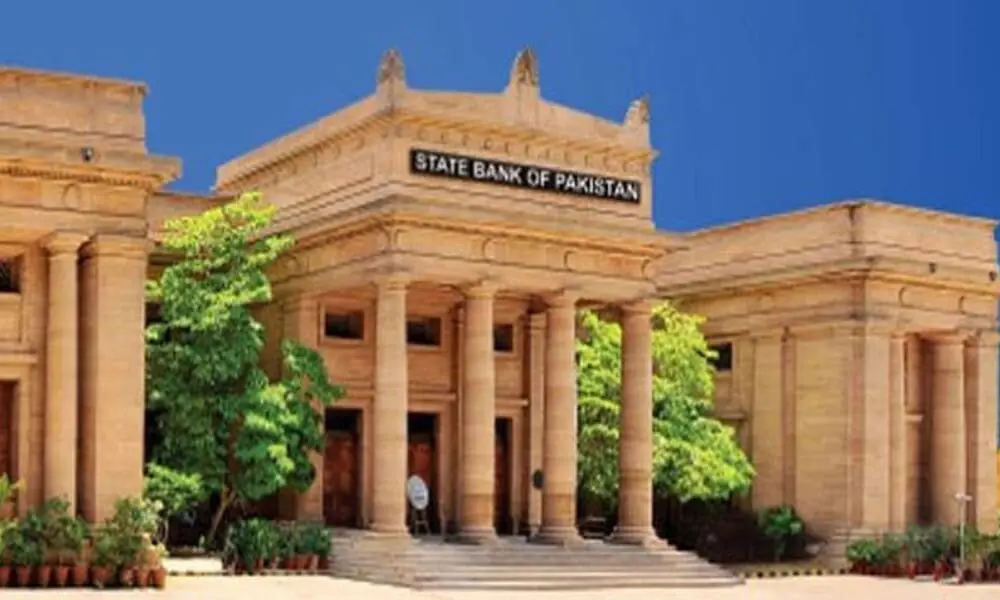
The State Bank of Pakistan’s (SBP) Governor’s Annual Report for FY26, released on Tuesday, presents a mixed picture of an economy that made progress in rebuilding its external buffers and maintaining financial stability, yet remained exposed to external shocks capable of reversing hard-won macroeconomic gains.
One of the most significant developments was the strengthening of foreign exchange reserves, which exceeded the government’s year-end target of $18 billion by June 2026. During the fiscal year, the central bank made net foreign exchange purchases of $8.1 billion while reducing its forward and swap liabilities by another $1.6 billion.
The improvement is important because reserve accumulation accompanied a relatively moderate current account deficit, despite a widening merchandise trade gap. Higher workers’ remittances and information and communication technology (ICT) exports helped offset pressure from merchandise imports, while multilateral and bilateral inflows and successful bond issuances supported the overall balance of payments.
However, the sustainability of this improvement remains an important question for policymakers. A stronger reserve position provides Pakistan with a larger buffer against external financing pressures, but maintaining it requires consistent foreign exchange inflows, export competitiveness and prudent management of external obligations.
The inflation trajectory during FY26 offered a more complicated assessment of economic resilience.
According to the SBP report, average national consumer price inflation remained at 5.5 percent during July-February FY26. However, the outbreak of the Middle East conflict at the end of February triggered a sharp increase in international commodity prices, particularly oil, pushing headline inflation into double digits from April onward.
The increase demonstrated how quickly international energy market disruptions can undermine domestic price stability in an import-dependent economy.
Energy inflation contributed significantly more to overall inflation during March-June than in the preceding eight months. Food inflation also increased, partly because of higher wheat and related product prices amid supply constraints.
Core inflation continued to moderate during most of the fiscal year, although it remained elevated and subsequently faced pressure from rising production and transportation costs.
The developments also forced a reversal in the central bank’s monetary policy direction.
After keeping the policy rate unchanged until December 2025, the Monetary Policy Committee reduced it by 50 basis points, citing subdued inflation, anchored expectations, softer international commodity prices and an improved external account position.
However, the deterioration in the inflation and external outlook following the Middle East conflict prompted a 100-basis-point increase in the policy rate in April 2026 to contain second-round inflationary effects and protect macroeconomic stability.
This reversal illustrates the difficult position facing monetary policymakers. While lower interest rates can support private investment, industrial activity and borrowing, external energy shocks can quickly create inflationary pressures that restrict the room for monetary easing.
For businesses, the implications extend beyond the policy rate itself. Higher energy prices increase transportation, production and operating costs, while tighter monetary conditions can raise the cost of financing working capital and expansion.
The banking sector, meanwhile, demonstrated resilience during the year. The SBP report noted improvements in the asset quality of banks and development finance institutions, with a decline in the ratio of non-performing loans to total advances. Banks and DFIs also maintained capital adequacy ratios significantly above minimum regulatory requirements.
Private-sector credit expanded, contributing to improved financial depth. Nevertheless, the quality and distribution of this lending remain important considerations for the wider economy, particularly for small and medium-sized enterprises that frequently face difficulties accessing affordable financing.
The expansion of Islamic banking also remained a significant development, supported by regulatory facilitation, branch expansion and growing demand for Shariah-compliant financial products.
The central bank introduced several regulatory measures during the year, including a recovery-planning framework for banks, instructions facilitating banking relationships with licensed virtual asset service providers and phased adoption of Basel III credit-risk standards.
Financial inclusion initiatives also featured prominently in the report. These included the establishment of 12 Digital Model Villages, the launch of the Zarkhez-e digital agriculture lending platform and a framework allowing teenagers to independently operate bank accounts and digital wallets.
While these initiatives could broaden access to formal financial services, their longer-term economic contribution will depend on actual adoption, accessibility and the ability to translate financial access into productive economic activity.
Pakistan’s improved sovereign ratings, supported by stronger reserves, fiscal consolidation and successful reviews under the IMF’s Extended Fund Facility and Resilience and Sustainability Facility, also reflected progress in restoring external confidence.
Yet the central challenge remains whether this improved macroeconomic position can withstand another major external disruption without reversing progress on inflation, investment and economic activity.
The FY26 report establishes that Pakistan entered the Middle East energy shock with stronger financial buffers than before. But the subsequent inflation surge also demonstrated that reserve accumulation alone cannot insulate the economy from global commodity volatility.
For sustainable economic stability, Pakistan will need to strengthen export capacity, diversify its energy sources, improve domestic productivity and reduce structural dependence on imported commodities.
The $18 billion reserve milestone represents meaningful progress. The more difficult test, however, is converting that financial buffer into durable economic resilience that businesses and consumers can actually experience.