
Pakistan’s Central Asian Trade Ambitions Face a Logistics Test
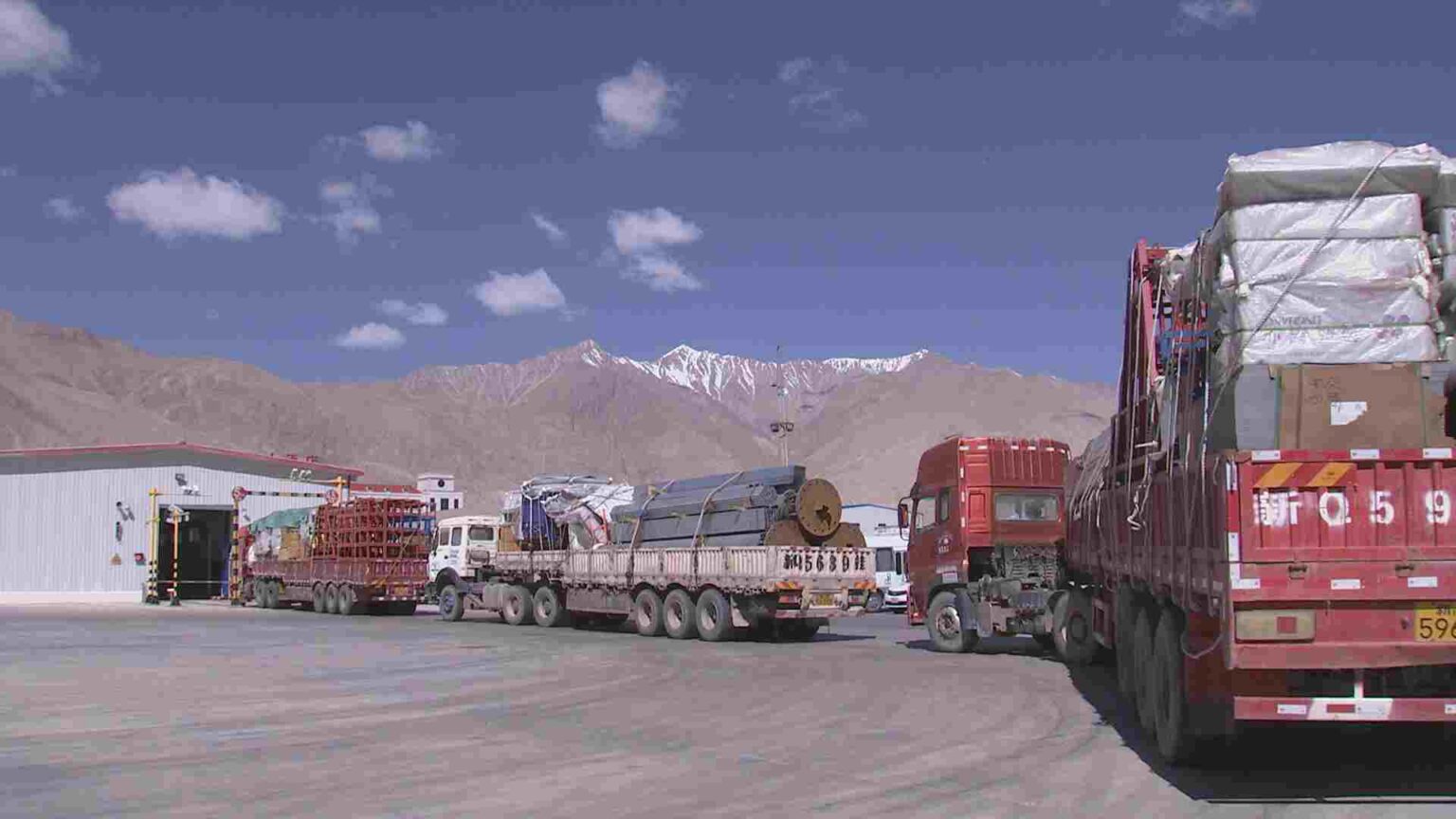
ISLAMABAD (Staff Report): Pakistan’s ambition to expand trade with Central Asian economies is increasingly facing a test of logistics, as high transportation costs, cross-border movement difficulties and limited connectivity continue to constrain regional commercial opportunities.
The issue came under discussion during a meeting between Federal Minister for Commerce Jam Kamal Khan and Turkmenistan’s Minister of Trade and Foreign Economic Relations Dortguly Suleymanov in Islamabad, where both sides explored alternative trade corridors, improved transportation links and measures to facilitate bilateral commerce.
The discussions come against the backdrop of a sharp contraction in bilateral trade. Trade turnover between Pakistan and Turkmenistan exceeded $36 million in 2025, declining nearly 23 percent compared with the preceding year. During the first nine months of 2026, bilateral trade stood at approximately $15 million, marking a further 56 percent decline year-on-year.
The figures highlight the challenges facing Pakistan’s efforts to strengthen its commercial presence in Central Asian markets despite growing diplomatic engagement and regional connectivity initiatives.
During the meeting, Jam Kamal Khan highlighted the expanding operations of Pakistan’s National Logistics Corporation (NLC) across Central Asian markets, including its growing fleet of vehicles designed to meet regional transportation requirements.
The minister emphasised the need to facilitate cross-border movement, explore alternative trade corridors and address logistical constraints affecting bilateral commerce. Discussions also covered alternative transportation routes for Pakistani marble and other exports to Central Asian destinations.
The focus on logistics reflects a broader challenge for Pakistani exporters: access to regional markets depends not only on the availability of products but also on the cost, reliability and speed of delivering them.
For exporters dealing in agricultural commodities, food products and other time-sensitive goods, transportation delays and expensive freight arrangements can undermine competitiveness. The proposed exploration of direct flights between Islamabad and Ashgabat, alongside chartered cargo services for perishable agricultural products, represents an attempt to address part of this challenge.
The Turkmen side acknowledged the importance of improved air connectivity, indicating that the proposal could be discussed further with relevant aviation authorities.
However, overland transportation remains equally important for expanding trade across Central Asia, particularly for bulk commodities and manufactured goods.
The meeting also highlighted the importance of business visa facilitation, with both sides recognising that easier movement of traders and investors could encourage stronger commercial engagement.
Beyond transportation, the two countries discussed exchanging updated lists of exportable products, sharing import requirements and strengthening coordination between their respective institutions.
Pakistan also highlighted its five-year tariff rationalisation programme, under which progressive reductions in customs duties are expected to create additional opportunities for international businesses.
The Ministry of Commerce’s online trade information portal was also presented as a resource for foreign exporters and investors seeking information about preferential trade agreements and tariff schedules.
While these initiatives could improve the business environment, the decline in bilateral trade suggests that stronger institutional coordination must be accompanied by practical improvements in market access and transportation.
For Pakistan, Central Asia represents an opportunity to diversify export destinations and strengthen economic engagement beyond traditional trading partners. However, converting this opportunity into sustained export growth will require commercially competitive transport arrangements, efficient border procedures and consistent engagement between private-sector businesses.
The proposed expansion of NLC operations, alternative trade routes and air cargo connectivity could contribute to that objective, provided these arrangements translate into affordable and reliable services for exporters.
The upcoming Pakistan–Turkmenistan Joint Intergovernmental Commission meeting is expected to provide an institutional platform for advancing these discussions.
Ultimately, Pakistan’s Central Asian trade ambitions will depend less on the number of connectivity proposals announced and more on whether businesses can move goods across borders at competitive costs and within predictable timeframes.