
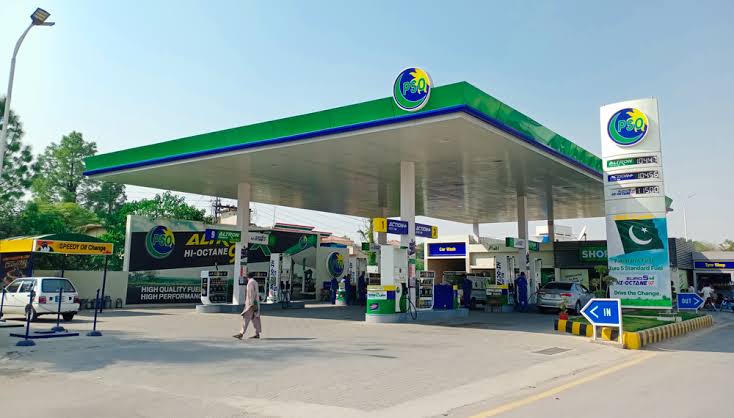
Petrol dealers threaten nationwide shutdown over pricing dispute
KARACHI (Staff Report): Pakistan’s petroleum distribution network faces the prospect of a nationwide shutdown after petrol dealers announced a 15-day ultimatum to the government, demanding changes to the petroleum pricing mechanism and an increase in their profit margins.
The Pakistan Petroleum Dealers Association (PPDA), at a press conference at Karachi Press Club on Monday, warned that dealers would suspend business across the country if the government failed to address their concerns within 15 days.
Association leaders argued that the daily adjustment of petroleum prices was creating serious financial difficulties for petrol pump operators by disrupting their working capital and exposing them to losses amid frequent price fluctuations.
PPDA representatives said the existing pricing arrangement had become increasingly difficult to sustain, particularly when petroleum prices continued to decline. According to the association, dealers were struggling to manage their inventories and maintain sufficient capital to purchase fresh supplies.
“We can no longer accept the daily petroleum pricing mechanism,” said Malik Khuda Bakhsh, chairman of the association, urging the government to introduce a 30-day pricing cycle for petroleum dealers.
He argued that refineries and oil marketing companies enjoyed the facility of a 30-day pricing mechanism, while retail dealers were exposed to frequent price changes. The association wants similar arrangements extended to petrol pump operators.
The dealers also warned that continued financial pressure could eventually affect fuel availability at retail outlets, creating difficulties for consumers and businesses dependent on uninterrupted petroleum supplies.
The association’s leadership further claimed that two major private oil marketing companies had stopped supplying petroleum products following continued price declines, while one refinery had completely suspended diesel supplies.
Ameer Khan, president of the association’s Sindh chapter, warned that petrol pumps were already facing supply-related difficulties and that the situation could worsen if the industry’s financial problems remained unresolved.
Another major demand concerns the dealers’ profit margin. The association is seeking an increase from approximately Rs10 to Rs24 per litre, which its representatives described as equivalent to an 8 per cent margin.
Tariq Hasan, vice chairman of the association, said the government should gradually increase dealers’ margins while reviewing the profitability of refineries and oil marketing companies.
He argued that rising operational expenses and business costs had made the existing margin insufficient for sustaining petrol pump operations.
The association also maintained that it had previously deferred its demand for a higher margin in the national interest and expected the government to honour its commitment to address the issue.
Beyond pricing and profitability, dealers raised concerns about their participation in petroleum-sector policymaking, particularly as the government pursues digitalisation and deregulation initiatives.
Malik Khuda Bakhsh said the association supported government efforts to modernize the petroleum sector but stressed that dealers should be consulted before implementing changes that directly affect their businesses.
He added that petroleum dealers should be included in policy discussions and that the authority to determine petroleum prices should remain with the Government of Pakistan.
The association also claimed that petroleum dealers collectively facilitate daily government collections of approximately Rs5.74 billion to Rs6 billion through levies collected from consumers, underscoring what it described as their importance in the petroleum supply chain. This figure was not independently verified.
The threatened shutdown comes at a time when the petroleum distribution network remains critical to economic activity, including transportation, logistics, agriculture and industrial operations.
Any prolonged interruption in petrol pump operations could create additional pressure on businesses and consumers, particularly if alternative distribution arrangements are insufficient.
The government’s response to the 15-day ultimatum will therefore be important not only for resolving the dealers’ financial concerns but also for maintaining stability across the country’s petroleum retail network.
With dealers demanding a revised pricing mechanism and higher margins, the dispute has brought renewed attention to the distribution of costs and profits across Pakistan’s petroleum supply chain.