
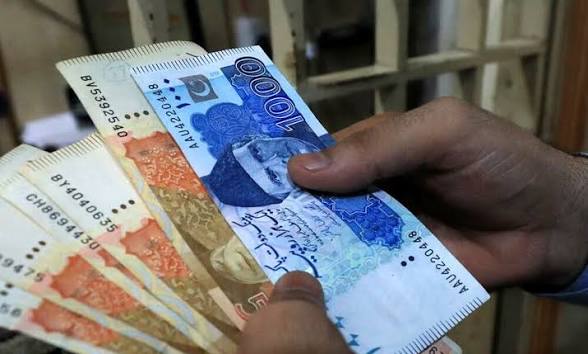
Rising rupee value raises concerns over Pakistan’s export competitiveness
KARACHI (Staff Report): Pakistan’s Real Effective Exchange Rate (REER) climbed to a nearly nine-year high of 110.62 in October 2026, raising concerns about the competitiveness of Pakistani products in international markets as domestic goods become relatively more expensive compared to those of trading partners.
According to data released by the State Bank of Pakistan (SBP), the REER increased from 108.89 in September 2026 to 110.62 in October, marking its highest level since January 2018. The latest reading is also significantly above the 10-year average of 102.20.
The sustained increase indicates that Pakistan’s currency has strengthened in real effective terms against the currencies of its major trading partners, after adjusting for differences in inflation.
In simple terms, Pakistani products may be becoming more expensive for international buyers compared to similar products offered by competing economies.
For instance, if a Pakistani textile exporter offers garments at a certain price, while manufacturers in Bangladesh, India or Vietnam can offer comparable products at lower prices, international buyers may prefer those suppliers. This could make it more difficult for Pakistani exporters to secure orders and expand their market share.
The REER has maintained an upward trajectory since early 2025, rising from approximately 98 in April 2025 to 110.62 in October 2026. This represents a substantial increase in the index over an 18-month period.
A REER reading above 100, however, does not automatically establish that the rupee is overvalued. The index measures the currency’s relative value against a basket of trading-partner currencies, taking inflation differences into account. Its interpretation also depends on the base year and underlying economic conditions.
Nevertheless, the continued rise warrants attention, particularly for export-oriented industries that compete primarily on price in international markets.
Pakistan’s textile, leather, engineering and other manufacturing sectors could face additional competitive pressure if domestic production costs remain high relative to competing countries.
The development also highlights a broader economic challenge: maintaining exchange-rate stability while improving export competitiveness.
A relatively stronger currency can make imports cheaper in domestic currency terms, potentially benefiting businesses dependent on imported raw materials, machinery and intermediate goods. However, this advantage does not necessarily translate into lower consumer prices.
For Pakistan, the central challenge remains expanding exports and generating sustainable foreign exchange earnings rather than relying heavily on external financing and remittances to meet its foreign payment requirements.
The latest REER reading therefore raises an important question about whether improvements in domestic productivity, energy costs and industrial efficiency can offset the pressure of a rising real exchange rate on Pakistani exporters.