
Pakistan, Bangladesh explore cooperation in ports, ship recycling & logistics
ISLAMABAD (Staff Report): Ports, ship recycling and logistics have emerged as potential areas of expanded economic cooperation between Pakistan and Bangladesh, as both countries explore opportunities to strengthen commercial ties beyond traditional trade and industrial competition.
Federal Minister for Commerce Jam Kamal Khan, addressing senior Bangladeshi government officials participating in an Executive Leadership Training Programme, highlighted the potential for collaboration in maritime infrastructure, port operations, agriculture and technology.
He said Pakistan and Bangladesh could benefit from broader industrial cooperation and joint investment, particularly in sectors where both countries possess commercial and industrial capabilities.
Referring to his recent visit to Bangladesh, the minister said he had witnessed significant developments in industrial growth, ship recycling and the port sector, identifying these areas as potential avenues for strengthening bilateral economic engagement.
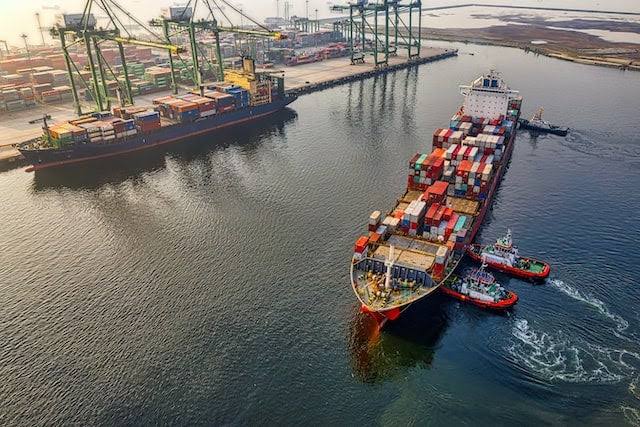
The maritime sector offers opportunities for cooperation in port management, cargo handling, shipping services and logistics infrastructure. Greater institutional and business-level engagement could also help identify investment opportunities and improve connectivity between the two economies.
Ship recycling represents another potential area of collaboration, given Bangladesh’s established presence in the industry and Pakistan’s interest in developing its maritime and industrial capabilities. Cooperation could extend to technical expertise, industrial standards, environmental practices and associated supply-chain services.
The minister also stressed the importance of exploring joint investment opportunities and strengthening trade partnerships, suggesting that Pakistan and Bangladesh could examine the possibility of a preferential or free trade agreement.
He said a joint working group and feasibility studies could help identify practical opportunities for expanding bilateral commerce and addressing existing trade barriers.
The Bangladeshi delegation raised questions concerning tariffs, non-tariff barriers, pharmaceutical certification and banking facilities, highlighting regulatory and institutional issues that businesses face when accessing each other’s markets.
Kamal said mutual recognition of product standards and the removal of unnecessary trade barriers could facilitate bilateral commerce.
He also pointed to Pakistan’s five-year tariff reform framework, under which customs duties are being gradually reduced to lower production costs, improve industrial competitiveness and encourage investment.
The minister further identified African markets as a potential destination for joint commercial ventures, while emphasizing opportunities in textiles, modern agriculture, technology and small and medium-sized enterprises.
He said global energy prices, trade restrictions and supply-chain disruptions had created challenges for developing economies, making stronger regional economic partnerships increasingly important.
The interaction reflects growing interest in broadening Pakistan-Bangladesh economic engagement through investment, industrial collaboration and institutional cooperation.
However, translating these opportunities into commercial outcomes will require detailed feasibility assessments, improved banking and regulatory arrangements, and sustained engagement between businesses and relevant government institutions.
For the maritime sector in particular, cooperation in ports, ship recycling and logistics could provide a foundation for a more diversified bilateral economic relationship.