
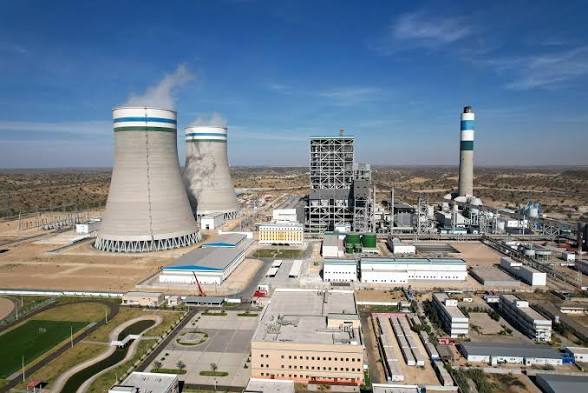
Electricity generation cost rises 17%, reaches Rs10.75 per unit
ISLAMABAD (Staff Report): The cost of electricity generation in Pakistan increased by 17% year-on-year to Rs10.75 per unit in October 2026, compared with Rs9.17 per unit in the same month last year, despite a 9% increase in overall power generation, according to NEPRA data.
The increase highlights the rising cost of producing electricity amid a changing fuel mix, with expensive furnace oil-based generation witnessing a sharp increase during the month.
Pakistan generated 10,744 gigawatt-hours (GWh) of electricity in October, compared with 9,886 GWh in October 2025. However, the generation declined 19% month-on-month from 13,217 GWh in September.
The most striking development was the sharp increase in furnace oil-based generation, which surged 638% year-on-year to 351 GWh. Furnace oil was the most expensive fuel used for power generation, costing Rs46.40 per unit, up 30% from a year earlier.
In contrast, locally sourced coal remained the cheapest major fuel for electricity generation at Rs10 per unit, with its generation cost declining 29% year-on-year.
Imported coal-based generation also increased significantly, surging 237% year-on-year to 1,569 GWh, while electricity produced through local coal rose 8% to 1,360 GWh.
Coal remained the largest source of electricity generation in October, accounting for 27.3% of total output, followed by hydropower with a 26.2% share and nuclear energy with 19.5%.
Hydropower generation increased 4% year-on-year to 2,818 GWh, while nuclear-based generation declined 4% to 2,090 GWh.
Generation from gas increased 20% to 1,090 GWh, whereas RLNG-based electricity production fell sharply by 61% to 757 GWh.
For the first four months of FY2027, total electricity generation reached 54,029 GWh, representing a 6% increase compared with 50,819 GWh in the corresponding period last year.
The increase in average generation cost comes at a time when electricity affordability remains an important concern for households and businesses. The growing use of expensive fuels, particularly furnace oil, also raises questions about the economics of Pakistan’s power generation mix.
However, the average generation cost should not be confused with the final electricity tariff paid by consumers, which also includes other components such as capacity payments, transmission and distribution costs, taxes and adjustments.