
Islamic banking financing grows over 49% as Pakistan pursues interest-free banking transition
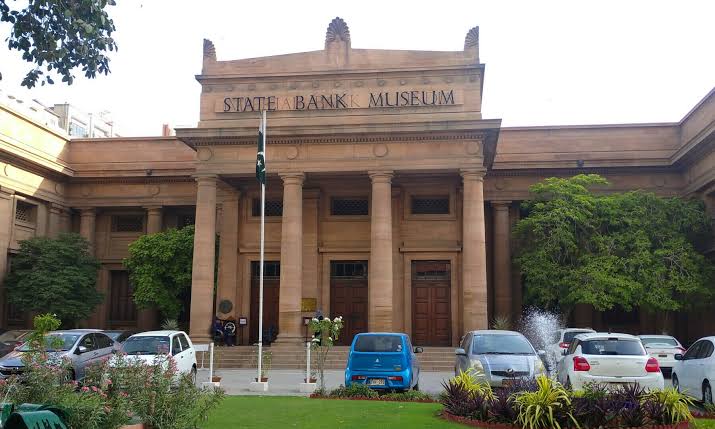
KARACHI (Staff Report): Islamic banking financing in Pakistan increased by more than 49% during the previous year, highlighting the growing role of Shariah-compliant financial services as the country moves towards its planned transition to an interest-free banking system by 2028, State Bank of Pakistan (SBP) Deputy Governor Saleemullah said on Wednesday.
Addressing the 10th International Islamic Banking and Finance Conference in Karachi, Saleemullah said the central bank was taking steps to develop a comprehensive Islamic financial system and strengthen the capacity of the sector.
He said the government’s strategy for the financial system beyond 2027 was a commendable development, adding that progress was being made towards transforming the banking system in line with Islamic principles by 2028.
The growth in Islamic banking financing points to an expanding role for Shariah-compliant financial institutions in Pakistan’s financial sector. However, the pace of expansion also raises questions about the sector’s capacity to meet the financing needs of businesses, small enterprises and households as the country moves towards a broader restructuring of its banking system.
The deputy governor said capacity-building initiatives had accelerated, while digital technology was being used to improve access to Islamic financial services across different segments of society.
The conference brought together policymakers, financial-sector representatives and international speakers to discuss the future of Islamic finance, its contribution to economic development and the challenges involved in expanding its reach.
Khurram Shehzad, Adviser to the Finance Minister, said Pakistan’s economy had suffered significant damage in 2022 but was now moving towards stabilisation following three years of reforms.
He said exports were increasing, the trade deficit was narrowing and information technology exports, the stock market, Sukuk bonds and investments through the Roshan Digital Account were contributing to economic activity.
Shehzad said consistent economic policies were helping restore investor confidence, while youth and technology would play an important role in the future development of Islamic finance.
His remarks placed Islamic banking within the broader economic recovery agenda, where financial-sector expansion is expected to support investment, business activity and access to capital.
Federal Shariat Court Chief Justice Dr Syed Muhammad Anwar said Pakistan’s population of around 250 million represented substantial potential for Islamic banking.
He said Islamic finance could contribute to economic development and called for greater attention to Islamic social finance, including zakat, charitable contributions and microfinance.
He also stressed the need to promote awareness of Islamic banking in universities and educational institutions, saying that Islamic finance had become a practical reality rather than merely a theoretical concept.
The emphasis on social finance is significant because the expansion of Islamic banking is not limited to commercial lending. Instruments linked to zakat, charity and microfinance could potentially widen access to financial services for low-income households and smaller businesses.
Former Maldives president Dr Mohamed Waheed Hassan also highlighted the international importance of Shariah-based finance, particularly its potential contribution to sustainable development, financial inclusion and poverty reduction.
Pakistan’s planned transition towards an interest-free banking system presents a major challenge for regulators and financial institutions. The process requires more than increasing the number of Islamic banking products or expanding financing portfolios. It also involves developing suitable financial instruments, strengthening institutional capacity, improving public awareness and ensuring that businesses have access to competitive financing alternatives.
The reported 49% increase in Islamic banking financing indicates strong momentum, but the figure alone does not establish how much of the country’s overall banking market has shifted towards Islamic finance. The scale of the transition will ultimately depend on the sector’s ability to provide viable alternatives across different categories of banking and meet the financing requirements of a diverse economy.
As Pakistan approaches its 2028 target, the key test will be whether Islamic banking can expand beyond its existing customer base and become a practical source of financing for businesses, households and underserved communities.
The conference highlighted both the growing institutional commitment to Islamic finance and the economic expectations attached to its expansion. The next phase will require translating policy commitments and sector growth into wider financial access and sustainable economic activity.