
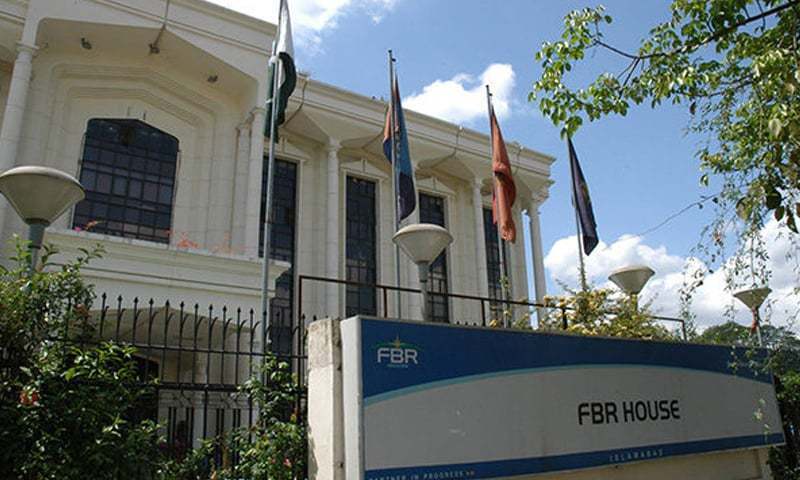
FBR tax reorganization may raise business compliance costs, PCDMA warns
KARACHI (News Desk): The Federal Board of Revenue’s (FBR) decision to separate sales tax and federal excise duty administration from income tax operations has raised concerns among traders, with the Pakistan Chemicals & Dyes Merchants Association (PCDMA) warning that the restructuring could increase compliance costs and create additional bureaucratic hurdles for businesses.
PCDMA Chairman Saleem Mukati said the proposed reorganisation of Inland Revenue, involving the reassignment of 54 senior officers, might complicate tax procedures instead of facilitating taxpayers if proper coordination mechanisms were not established.
He warned that businesses could be forced to approach multiple tax offices for matters that were previously handled through a more integrated administrative structure, increasing documentation requirements, procedural delays and the time spent resolving tax-related issues.
The concerns come at a time when businesses are already facing high taxation, rising operating costs, liquidity constraints and complex regulatory requirements.
Mukati said separating sales tax and income tax administrations could create confusion over jurisdiction, reporting procedures, audits, refunds and grievance redressal.
He cautioned that inadequate coordination between newly assigned sales tax commissioners and existing income tax authorities could result in overlapping notices, conflicting interpretations and unnecessary compliance requirements.
Small and medium-sized enterprises (SMEs) and traders could face particular difficulties because additional administrative procedures often translate into higher operating costs and greater demands on limited resources, he added.
The PCDMA chairman urged the FBR to clearly define the responsibilities, jurisdiction and reporting structure of the newly reorganised offices to prevent disruptions in business operations.
He also called for effective coordination among income tax, sales tax and Customs authorities, arguing that administrative restructuring should not create uncertainty for taxpayers or interrupt routine commercial activities.
Mukati stressed that the business community should be consulted before implementing major administrative changes that directly affect taxpayers.
He proposed introducing a coordinated one-window facilitation mechanism through which businesses could resolve tax-related matters without having to approach multiple departments.
According to him, tax reforms should focus on simplifying procedures, facilitating compliant taxpayers, improving transparency and expanding the tax base rather than adding new layers of bureaucracy.
The association maintained that a business-friendly tax administration is essential for encouraging investment, promoting documentation and improving the overall ease of doing business.
The effectiveness of the FBR’s restructuring will ultimately depend on whether the new administrative arrangement improves tax collection and accountability without increasing the compliance burden on businesses.